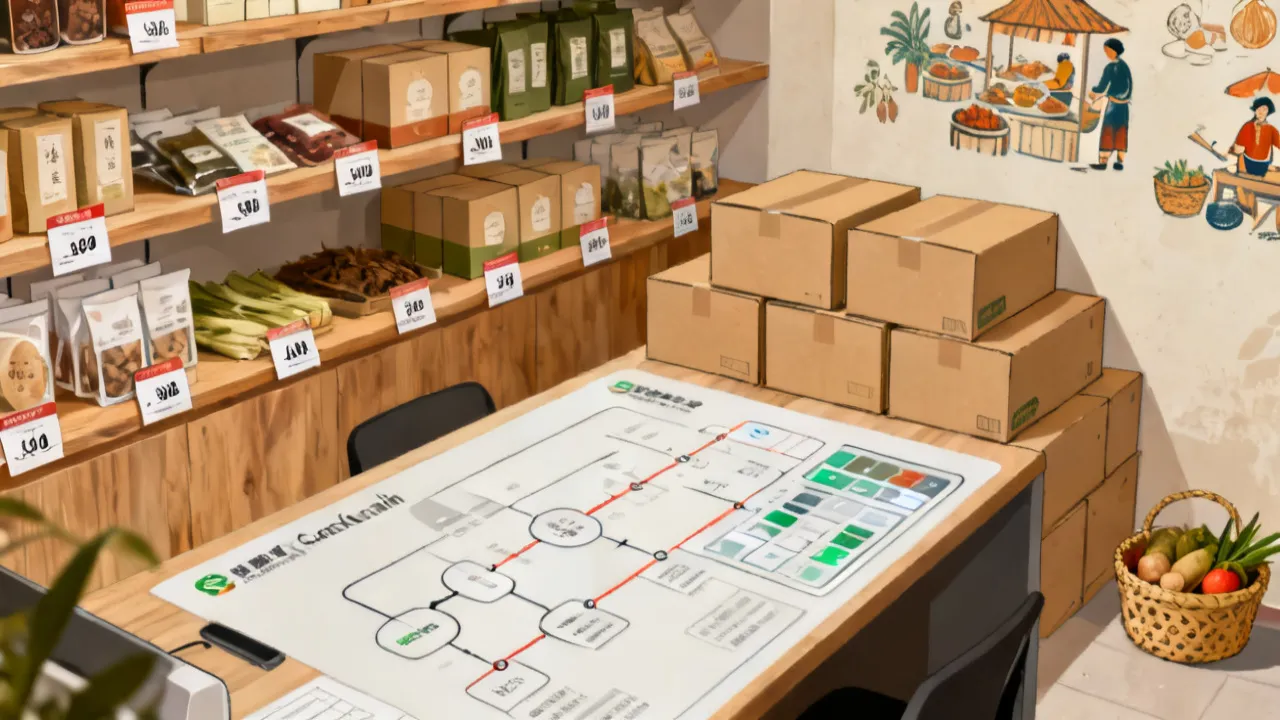
Ade Sara: Expert Guide to Sourcing and Quality
This guide explains how to evaluate “Ade Sara” across sourcing, pricing, and quality assurance so you can make a confident decision. Objectively, “Ade Sara” is used as a product or supplier reference in commerce contexts, and readers typically compare availability, specifications, and reliability. You’ll also find practical requirements, a structured comparison table, and common questions answered by an industry lens.
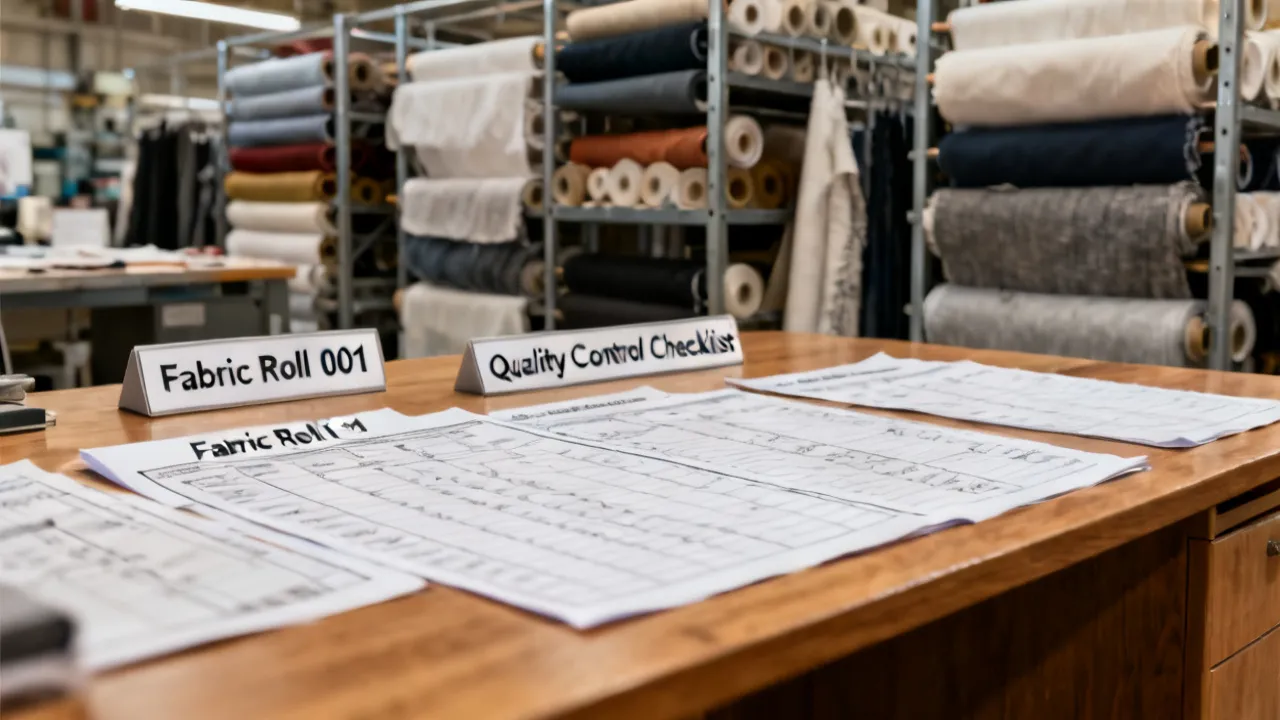
Ade Sara sourcing decisions start with verifiable requirements
When you encounter Ade Sara in procurement or product conversations, the smartest first step is to move from marketing-level claims to verifiable requirements: exact specifications, quality control evidence, lead times, and transparent pricing structures. This article provides an industry-focused framework to help you assess Ade Sara options methodically—especially when multiple suppliers quote different terms, packaging formats, testing inclusions, or batch constraints.
In many purchasing projects, “Ade Sara” is discussed early, but specifics surface late: a supplier might say the product is available “in the Ade Sara range,” or that their version is “equivalent,” or that they can “match your needs” without fully documenting tolerances, materials, or acceptance limits. If you accept those statements without converting them into formal requirements, you risk paying for uncertainty. Even when the supplier is honest, the buyer ends up with inconsistent goods, unclear responsibility for defects, and rework that is slow and expensive.
So the objective is not to “guess” what Ade Sara means. The objective is to create a procurement record that proves you evaluated the same item, on the same terms, using evidence-based acceptance. That record becomes your operational defense: internally (against budgeting and quality complaints), and externally (during audits, customer requirements, and dispute resolution).
What “Ade Sara” typically represents in buyer evaluations
In many commercial settings, Ade Sara functions as a shorthand label for a product line, a vendor reference, or a process category rather than a single universally defined item. Buyers commonly evaluate it through the lens of:
- Specification clarity (dimensions, materials, grade, tolerances, or functional standards—depending on the industry).
- Consistency of output measured through documentation, sampling, and repeatability.
- Supplier reliability demonstrated by track record, operational capacity, and responsiveness.
- Total cost of ownership, including packaging, shipping handling, compliance documentation, and defect management.
Because “Ade Sara” can mean different things depending on the context, an objective approach treats it as a starting point for due diligence rather than a guarantee of identical products across vendors.
To avoid ambiguity, you should insist on a “translation” of Ade Sara into measurable attributes. That translation often includes:
- Product code or internal part number that the supplier uses consistently.
- Material or composition (for components: alloy, resin, textile fiber blend; for services: process method and scope).
- Configuration (size, thickness, finish, coating type, color system, functional rating).
- Relevant standard (customer spec, regulatory standard, internal company standard).
- Manufacturing and packaging method (to ensure the goods survive logistics and perform in-use).
Once you establish that translation, you can reliably compare quotes and evaluate quality.
Pricing: how to interpret quotes without relying on assumptions
Price is rarely the full story. Even when a supplier provides a number (for example, “price information” included in a quote), professional procurement teams typically analyze how that figure is built. With Ade Sara inquiries, you’ll generally want to confirm the pricing scope and variables, such as:
- Unit basis: Is it per piece, per kilogram, per meter, per batch, per pallet, or per service hour?
- Minimum order quantity (MOQ) and step pricing thresholds.
- Packaging inclusion: standard packaging vs. protective packaging for transit, moisture barriers, cushioning requirements, or special labeling.
- Testing and inspection: whether quality checks are included or billed separately, and whether they reflect your use-case.
- Logistics assumptions: shipping terms (e.g., ex-works vs. delivered), lead time, port/road surcharges, and buffer costs.
From an expert standpoint, a “low” Ade Sara quote can become expensive if it lacks inspection coverage, produces higher defect rates, or introduces longer lead times. Conversely, a “higher” quote may reduce your downstream costs through verified compliance, tighter tolerances, better packaging that reduces damage, and fewer nonconformance events.
To make pricing truly comparable, procurement teams often convert supplier quotes into a landed cost model and a quality cost model. The goal is to quantify not only “what you pay,” but “what you risk and what you will likely spend later.”
A practical landed cost model can include:
- Purchase price (unit basis × quantity, accounting for MOQ step pricing).
- Freight and shipping insurance (where applicable).
- Handling charges (warehouse handling, palletization, loading/unloading).
- Customs and duties (for cross-border supply).
- Documentation charges (certificates, compliance forms, batch traceability packs).
- Inspection and testing costs (incoming inspection, third-party labs, special tests).
Then, incorporate likely quality costs:
- Rework and scrap based on historical defect rates for comparable items.
- Warranty/claims management (customer returns, replacement cycles).
- Line downtime or operational disruption if the Ade Sara product affects production continuity.
- Corrective action administration (meetings, root-cause analysis, reporting).
This approach turns “price comparison” into “value comparison,” which is particularly important when suppliers differ on testing scope, packaging, or acceptance procedures.
Supplier details: the proof is in documentation and process maturity
Supplier evaluation should go beyond responsiveness or brand claims. For Ade Sara, look for evidence that the supplier’s process can consistently meet your expectations. In practice, that means requesting:
- Product or batch specifications in writing (not just verbal descriptions).
- Quality control records relevant to the product category (inspection checklists, sampling plans, or certificates where applicable).
- Traceability capability, such as batch identifiers or production date codes.
- Change control policy—how the supplier manages material substitutions or process adjustments.
Industry professionals often use a “fit-for-purpose” standard: the supplier isn’t judged by perfection, but by whether their process reliably delivers outcomes that match your requirements.
To assess that reliability, you can ask more detailed questions that push suppliers beyond high-level statements:
- How do you define your acceptance criteria? Are they aligned to the customer or internally established? Can you share the criteria for the specific Ade Sara product?
- What sampling method do you use? Random sampling, stratified sampling by batch size, or full inspection for certain critical attributes?
- Do you maintain test equipment calibration? For physical tests, ask how instruments are calibrated and how calibration records are stored.
- What is your nonconformance handling process? Ask for CAPA (corrective and preventive action) examples, ideally anonymized.
- What is your production stability? For instance, ask for historical batch-to-batch variation or defect trend summaries.
When suppliers can provide documented answers, you reduce the probability of “surprise failures” after mass ordering. When they cannot, you should treat their quote as a provisional proposal that needs qualification via samples, pilots, and acceptance controls.
Location considerations: standardize your expectations for nearby operations
When sourcing occurs “nearby,” buyers typically benefit from reduced coordination friction and easier inspection scheduling. For “nearby” contexts, you still should standardize requirements—because proximity doesn’t automatically ensure consistent quality. If your supply chain is anchored “nearby,” you can reasonably expect faster iteration cycles for sampling and corrective actions, but you should still:
- Set a written sampling plan for Ade Sara lots.
- Align on inspection timings and documentation delivery.
- Define acceptable tolerances and the corrective action workflow.
This approach helps you avoid the common procurement pitfall where “easy communication” substitutes for formal verification.
Additionally, “nearby” logistics changes the way you plan lead time buffers and receiving inspection. You may be able to reduce buffer inventory if the supplier is responsive and you can quickly correct issues. But reducing buffers without verifying quality performance can create a new risk: higher exposure to short-notice failures.
So, for nearby procurement, consider this practical technique: define two levels of control. For the initial lots, run more rigorous incoming inspection (or third-party verification). Once performance stabilizes (for example, after a specified number of consecutive lots meet acceptance criteria), you can adjust inspection intensity. This staged approach protects your operations while still benefiting from the responsiveness that nearby suppliers can provide.
Quality assurance: what to demand before mass ordering
Before scaling your purchase of Ade Sara, request a structured evaluation stage. Depending on the product type, quality assurance can involve physical inspection, functional testing, or compliance verification. A professional procurement team typically ensures:
- Sample representativeness: samples should reflect the same materials, methods, and batch size you will receive.
- Clear acceptance criteria: specify what counts as pass/fail and what happens upon deviation.
- Root-cause handling: confirm the supplier’s corrective action process for recurring issues.
In other words, you’re not merely checking quality—you’re checking the supplier’s ability to maintain quality under real production conditions.
To make QA concrete, define quality acceptance in a way that is measurable and enforceable. For example, if Ade Sara is a physical product, acceptance criteria might include:
- Dimensional tolerances (e.g., length, thickness, diameter).
- Material property ranges (strength, hardness, elasticity, moisture content).
- Surface or finish properties (coating thickness, scratch resistance, color fastness).
- Functional performance thresholds (load rating, leak rate, thermal stability).
- Packaging integrity indicators (damage rate, seal integrity, labeling legibility).
If Ade Sara is a service or process category, acceptance criteria might include:
- Process adherence (documented method, standard operating procedures).
- Output quality metrics (accuracy, rework rate, turnaround time adherence).
- Deliverable completeness (documentation accuracy, version control, audit trail).
- Nonconformance response time (how quickly issues are acknowledged and corrected).
Also, specify who performs testing and how results are handled. Options include supplier self-certification, third-party inspection, buyer-side incoming inspection, or a hybrid model. The key is to avoid vague “we’ll inspect” language without defining the sampling plan, test method, and evidence required.
Industry-grounded due diligence: a comparison table for how to choose
The following comparison table is designed to support objective selection for Ade Sara procurement. It does not include links, and it focuses on decision factors you can validate through documents, samples, and process discussions.
| Evaluation Area | What to Ask the Supplier | What Strong Answers Look Like | Risk if Missing |
|---|---|---|---|
| Specifications | Can you provide written specs and measurable tolerances? | Clear, documented parameters aligned with your use-case | Inconsistent output and disputes after delivery |
| Pricing scope | Is the quoted price tied to MOQ, packaging, testing, and shipping terms? | Transparent unit basis and clear inclusions/exclusions | Unexpected costs and budget overruns |
| Quality evidence | What inspection records and acceptance criteria can you share? | Batch-level documentation and sampling approach described | Higher defect rates and expensive rework |
| Traceability | How do you identify production batches and track them to outcomes? | Batch IDs, production dates, and traceable records | Slow recalls and unclear accountability |
| Lead time realism | What is typical lead time and production capacity for Ade Sara quantities? | Consistent scheduling and buffer planning | Stockouts and missed customer timelines |
| Corrective actions | What happens when a lot fails acceptance criteria? | Defined CAPA workflow (corrective and preventive actions) | Repeated defects and weak supplier accountability |
To make the comparison table operational, you can score each supplier on each evaluation area using a simple rubric: for example, 0 = missing information, 1 = partial evidence, 2 = documented and verifiable, 3 = documented plus demonstrated success (e.g., pilot results). The point is not to “rank for the sake of ranking,” but to highlight which supplier gaps create the greatest operational exposure for your specific project.
Another technique is to map each risk area to a specific procurement control. For example:
- Specification drift risk → require change control approvals and specification lock for a defined timeframe.
- Inadequate inspection coverage risk → require your acceptance plan in the contract, including what tests are performed and how deviations are handled.
- Weak traceability risk → require batch labeling and traceability documentation delivery prior to shipment acceptance.
- Lead time variability risk → require delivery windows, contingency actions for delays, and inventory planning support.
Step-by-step guide for evaluating Ade Sara quotes
To apply the framework in real procurement work, use this step-by-step guide. It is designed to keep your evaluation objective and auditable.
Step 1: Normalize the definition of “Ade Sara”
Ask each supplier to specify exactly what “Ade Sara” means for them: the product code, materials, grade, and manufacturing process. Require a written specification sheet and ensure it matches the performance expectations in your internal requirements.
To make this step stronger, do not rely on a single document. Require a “spec pack” that includes:
- Bill of materials or material composition statement (where applicable).
- Technical drawing, if physical dimensions matter.
- Process description (what steps are performed and what critical parameters are controlled).
- Quality attributes list (what will be measured, by whom, and at what frequency).
- Packaging and labeling requirements that prevent transit damage and allow traceability.
Also, confirm whether Ade Sara is a static specification or a configurable family. If it is configurable, you need to know which configuration you are buying. Many disputes occur when buyers assume “Ade Sara” means one fixed product, while a supplier treats it as a range.
Step 2: Build a comparable quote sheet
Create a checklist that forces vendors to quote on the same basis—same unit, same MOQ structure, same packaging inclusions, and the same inspection/testing coverage. This prevents misleading apples-to-oranges comparisons involving Ade Sara.
In practice, your quote sheet should include explicit fields. For example:
- Quote validity period (e.g., 30/60/90 days).
- Unit price and unit measure (with conversion logic if multiple units are used).
- MOQ and price breaks (including the breakpoints and the quantity ranges that apply).
- Packaging format: number of units per carton/pallet, protective materials, labeling approach.
- Inspection scope: what tests, sampling size (or sampling method), and what acceptance criteria are used.
- Documentation: certificates, batch traceability pack, inspection reports.
- Shipping terms: ex-works, FOB, CIF, delivered duty paid (as applicable).
- Lead time assumptions: production time, transit time, processing time for documents.
- Payment terms: deposit percentage, milestone payments tied to inspection results.
When suppliers refuse to provide these details, treat it as a signal. A supplier who cannot quote clearly is likely to struggle with delivery clarity and quality clarity, especially once the relationship moves into higher volume.
Step 3: Request sample testing or pilot lots
Before placing a larger order, request a pilot lot or sample that is produced under the same conditions as intended production. Define acceptance criteria before testing begins. If Ade Sara is used in an operational environment, include one representative “stress scenario” relevant to your workflow.
This step is where many procurement projects succeed or fail. The sample must be representative. If a supplier produces samples using different materials, a different production line, or non-standard packaging, your test results will not predict real performance. Therefore, require statements like:
- Samples are produced using the same tooling, same material lot handling, and same production parameters as intended orders.
- Samples carry the same labeling and batch identifiers as future shipments.
- Samples undergo the same inspection regime that mass-production lots will receive.
Then, define what “pass” means. Do not use vague criteria like “acceptable appearance.” Instead, specify measurable criteria and tolerance ranges. If the use-case includes environmental exposure, temperature/humidity, mechanical stress, or chemical exposure, include those stress conditions where feasible. The goal is to uncover failure modes early rather than during customer use.
For pilots, consider a phased approach:
- Phase 1: small sample with basic checks for identity, dimensions, composition, and packaging integrity.
- Phase 2: pilot lot with full sampling plan and documentation review.
- Phase 3: near-production scale lot that validates throughput and process stability.
Step 4: Audit documentation for process maturity
Ask for quality management artifacts: inspection records, nonconformance logs (redacted if needed), and traceability methods. An expert approach values evidence over promises.
Documentation requests should be relevant and specific. Rather than asking “send your quality certificates,” ask for:
- Certificates of conformance tied to specific batch IDs.
- Inspection reports that include sampling results and test outcomes.
- Nonconformance reports for the Ade Sara product category (redact sensitive data but preserve root-cause summary).
- Corrective action and preventive action records (CAPA) that describe what changed and why.
- Calibration certificates or evidence of calibration for testing equipment used.
- Traceability procedure documents (how batch IDs map to raw materials and processing steps).
Process maturity can also be observed in how suppliers communicate. A mature supplier can explain how they control key variables, how they manage supplier-substituted materials (if substitutions happen), and how they prevent “silent changes” that create drift. If the supplier only answers with marketing-level statements, treat it as incomplete evidence.
Step 5: Define contract requirements and remedies
Ensure your purchase agreement includes clear conditions: delivery milestones, acceptance criteria, dispute handling timelines, and corrective action obligations if Ade Sara batches fail.
Contractual clarity protects both parties, but it particularly protects the buyer when dealing with batch-based quality risk. A strong Ade Sara contract typically includes:
- Specification references: attach the agreed specification sheet and sampling plan as contract exhibits.
- Inspection and acceptance: define when inspection occurs (pre-shipment, upon receipt), who performs it, and what acceptance thresholds apply.
- Nonconformance remedies: replacement, rework, credit terms, or refund—plus timelines for corrective action.
- Hold and quarantine: require the supplier to respond to nonconforming lots with containment and traceability support.
- Right to audit: allow relevant audits of process and documentation, at least for critical suppliers or higher-risk products.
- Change control: require supplier notification and buyer approval for changes in materials, process steps, or manufacturing locations that affect Ade Sara.
Also, specify how costs are handled in the case of nonconformance. If the buyer is forced to perform extra testing due to supplier documentation gaps, should those costs be reimbursed? A contract can cover these details so you are not negotiating during a dispute.
Step 6: Run an initial performance review
After delivery of the first confirmed lot, evaluate outcomes against your acceptance criteria. If defects or deviations appear, assess whether the supplier’s corrective action process reduces the issue in subsequent batches.
To make this review structured, define performance indicators such as:
- First Pass Yield (FPY): the percentage of units/lots meeting acceptance on first inspection.
- Defect rate: defects per unit or per lot with categories.
- On-time delivery: percent delivered within agreed window.
- Documentation completeness: whether all batch IDs and certificates arrive as required.
- Response time to nonconformance notifications.
Then, require the supplier to report CAPA actions with evidence, not just explanations. If the supplier claims they improved the process, ask for objective evidence: updated work instructions, revised sampling plan, updated control charts, or changes to raw material sources, as appropriate.
Conditions and requirements checklist (what “good procurement” looks like)
- Written specifications agreed before the first order.
- Comparable pricing basis with explicit inclusions and exclusions.
- Defined sampling and acceptance criteria documented in advance.
- Traceability provisions sufficient to support internal audits and customer obligations.
- Corrective action terms for nonconforming Ade Sara lots.
- Delivery and lead time commitments with realistic scheduling buffers.
- Documentation delivery requirements: define what documents are required, in what format, and by when.
- Change control policy integrated into the procurement process for Ade Sara.
- Communication workflow for receiving issues, including escalation contacts and time targets.
Reliability and risk management: the expert lens
Procurement professionals evaluate suppliers by how they manage variability—materials, production conditions, staffing, and logistics. When considering Ade Sara, risk typically concentrates in four areas:
- Specification drift: subtle changes over time that alter performance.
- Inadequate inspection coverage: testing that doesn’t reflect real customer requirements.
- Weak traceability: insufficient batch identification for resolving issues quickly.
- Process bottlenecks: lead time variability that disrupts inventory planning.
A practical way to mitigate these risks is to tie payments or acceptance to measurable outcomes, then use the first production run to validate whether the supplier’s process remains stable.
To deepen the risk management lens, consider how these four areas manifest operationally:
- Specification drift can show up as “same look, different performance,” such as inconsistent strength, altered compatibility, or unexpected failure rates. It may occur due to material substitution, process parameter adjustments, or tooling wear. Mitigation includes a change control clause and periodic re-verification testing.
- Inadequate inspection coverage can show up as units that pass supplier checks but fail buyer acceptance. This often happens because supplier tests measure attributes that are easy to test, while the buyer needs the attributes that affect real performance. Mitigation includes aligning inspection plans with your use-case and defining test methods in the contract.
- Weak traceability can show up when you need to determine which customers or internal batches are affected by a nonconformance but cannot map outcomes to production lots. Mitigation includes batch labeling requirements, traceability packs, and documented traceability procedures.
- Process bottlenecks can show up as delayed production runs, rushed shipping, or partial deliveries. Mitigation includes capacity checks, realistic lead time commitments, and contingency plans for delays (e.g., safety stock or alternate suppliers).
Another expert method is to classify risk by criticality. Some Ade Sara attributes are “must be correct” (critical-to-quality) because failure blocks production or safety. Others are “nice to have” (non-critical attributes). Your procurement plan should match this classification. If critical attributes are at stake, require tighter inspection and possibly stronger remedies (for example, replacement at supplier cost, immediate containment, and priority corrective action reporting).
Practical playbooks for common Ade Sara procurement scenarios
Procurement teams rarely face a single clean scenario. More often, buyers are negotiating under pressure, with competing quotes, unclear product definitions, or time constraints. Below are practical playbooks you can adapt to real-world Ade Sara sourcing situations.
Scenario A: Suppliers quote different packaging and you’re unsure what you’re paying for
A common confusion with Ade Sara quotes is packaging differences. One supplier might include basic packaging, while another includes protective packaging that reduces transit damage. A third might include packaging and labeling but not inspection. The buyer sees two prices and chooses the cheaper one—then receives a damaged or mislabeled shipment.
Playbook:
- Require packaging specifications as part of the quote: carton size, palletization method, protective materials, moisture barriers, labeling language format, and whether batch IDs appear on each unit or only on pallets.
- Include a packaging acceptance test: for example, damage rate threshold during receiving inspection.
- Model the total cost: “cheaper price” + “higher damage rate” often becomes more expensive than the higher quote.
Scenario B: One vendor claims “equivalence” to your internal Ade Sara specification
Sometimes Ade Sara is treated as an equivalent category rather than a fixed product. A supplier may claim their product is equivalent but cannot provide written specifications aligned to your internal standards.
Playbook:
- Ask for a side-by-side comparison: their specs vs. your specs, with tolerances and test methods.
- Require a sample manufactured to the claimed equivalence configuration.
- Only proceed after acceptance criteria are met on the pilot lot, not after a verbal “yes.”
If the supplier cannot provide documented equivalence, treat the offer as non-validated. Use it only if you can enforce acceptance testing that proves performance.
Scenario C: Lead times differ widely across quotes
Lead time mismatch creates scheduling risk. A supplier might offer a fast shipment but with different inspection timing, or it might assume that your acceptance happens later than it actually will. Another supplier might propose longer lead time but include complete documentation and pre-shipment verification.
Playbook:
- Normalize lead time components: production lead time, documentation preparation time, inspection time, and transit time.
- Require a delivery schedule with milestones and responsibilities.
- Link acceptance and payment to documentation and batch-level evidence to prevent delays after shipment.
Scenario D: You get strong pricing but limited quality documents
Some suppliers compete aggressively on price but provide limited quality evidence. They might say “we don’t usually send inspection reports” or “certificates are only available on request.” For Ade Sara procurement, that is a risk.
Playbook:
- Require a minimum quality documentation pack as a condition of acceptance (e.g., certificates tied to batch IDs, inspection records, traceability pack).
- If documentation is unavailable, require third-party inspection at supplier cost or a buyer-approved alternative.
- Use a contract clause: failure to provide documents triggers delayed acceptance and potentially delayed payment.
Scenario E: “Nearby” suppliers are easier to manage—until quality issues occur
Nearby procurement can feel low-friction, but quality issues still require formal processes. If a supplier makes a mistake, you still need traceability, acceptance documentation, and corrective action handling.
Playbook:
- Even for nearby suppliers, require written sampling and acceptance plans.
- Schedule inspection windows in advance.
- Define an escalation path and corrective action timeline (for example, acknowledgement within 24 hours, containment action within 48–72 hours).
How to structure incoming inspection and acceptance for Ade Sara
Incoming inspection is where many quality problems become visible. Yet it can also become a bottleneck if it is not planned. For Ade Sara procurement, design incoming inspection so it catches issues early while still maintaining efficiency.
A strong incoming inspection structure includes:
- Sampling plan: what quantities are sampled per lot, what sampling method is used, and whether sampling intensity changes based on prior performance.
- Test method alignment: confirm you use the same test methods and equipment calibration requirements as the supplier’s planned tests (or define your independent methods).
- Acceptance criteria: define pass/fail rules, allowable defect categories, and re-test rules if initial tests are inconclusive.
- Hold and quarantine procedure: specify how to isolate affected batches immediately.
- Documentation verification: confirm batch IDs and certificates match the shipment and internal receiving records.
If you have limited resources, you can still structure the inspection process by separating checks into layers:
- Layer 1 (administrative verification): ensure documents match the order, batch IDs are present, labeling is correct, and packaging is intact.
- Layer 2 (quick physical checks): verify identity, basic dimensional or visual checks, packaging integrity indicators.
- Layer 3 (critical tests): run deeper tests only for critical attributes and/or for sampled units.
Then, after a certain number of successful lots, you can implement reduced inspection intensity for non-critical attributes—provided that the supplier’s process performance is proven and traceability remains reliable.
Document control: keep your Ade Sara evaluation auditable
One reason procurement disputes escalate is that information is scattered: emails contain partial requirements, meeting minutes conflict with quote attachments, and final acceptance decisions are made based on incomplete documentation. For Ade Sara sourcing, enforce doc control so your evaluation is auditable.
Document control best practices include:
- Single source of truth: maintain one master specification and one master sampling plan version.
- Version control: track revision dates for spec sheets and acceptance criteria.
- Quote normalization record: keep the completed comparable quote sheet that shows unit basis, inclusions, and exclusions.
- Sample test report repository: store pilot results, raw data where feasible, and decisions for pass/fail with evidence.
- Nonconformance records: track NCRs (nonconformance reports), root-cause analyses, CAPA actions, and verification results for corrected lots.
If you need to justify decisions internally, the audit trail provides confidence. It also helps suppliers understand your requirements are stable, which reduces re-interpretation and drift.
Building a supplier scorecard tailored to Ade Sara
Once you start buying Ade Sara consistently, it becomes useful to manage supplier performance with a scorecard. A scorecard should not be generic; it should reflect the attributes that matter for your project.
A practical Ade Sara scorecard can include:
- Quality: defect rate, pass rate, critical attribute compliance.
- Delivery: on-time delivery, lead time adherence, responsiveness to delays.
- Documentation: completeness and timeliness of certificates, traceability packs, inspection reports.
- Corrective action performance: time to respond, verification of effectiveness, recurrence rate.
- Change control compliance: whether suppliers notify and seek approvals before changes that affect Ade Sara.
Then define thresholds for action. For instance:
- If defect rates exceed a threshold for two consecutive lots, increase inspection intensity or require third-party verification.
- If documentation errors occur repeatedly, require a supplier training session and a documented process update.
- If nonconformance recurrence occurs, trigger deeper CAPA escalation and potential supplier development plan.
This scorecard approach aligns procurement with operations and quality management, making Ade Sara sourcing more stable over time.
Procurement governance: aligning teams so Ade Sara decisions are consistent
In many organizations, procurement decisions involve multiple functions: quality assurance, engineering, finance, logistics, and legal. Ade Sara sourcing can fail when these functions evaluate different versions of requirements. For example, procurement chooses based on price, engineering chooses based on fit, and quality chooses based on test results—yet they do not synchronize acceptance criteria or remedies.
To avoid this, governance should include:
- Cross-functional approval for the spec pack and acceptance plan.
- Documented decision gates: sample approval gate, pilot approval gate, scale approval gate.
- Shared definition of Ade Sara that engineering and quality both sign off on.
- Legal review of contract clauses on acceptance and remedies.
- Operations input on receiving constraints and inspection capacity.
This reduces the chance that a supplier is evaluated on one interpretation of Ade Sara while orders are placed on another.
FAQs about Ade Sara sourcing, pricing, and supplier verification
Q1: What does “Ade Sara” mean in sourcing conversations?
A: “Ade Sara” often functions as a shorthand for a product line, vendor reference, or category. Because meanings can differ by supplier and industry, you should request a written specification sheet and product code so both sides are evaluating the same item. You may also need a spec translation that converts “Ade Sara” into measurable attributes (tolerances, material composition, and test methods).
Q2: How should I compare Ade Sara prices from different suppliers?
A: Compare on a normalized basis: unit measure, MOQ thresholds, packaging inclusions, inspection/testing scope, lead time assumptions, and shipping terms. Ask for a breakdown so you can calculate total landed cost rather than relying on headline figures. Also compare “quality cost” expectations: what documentation and inspection coverage are included, and what defect risk might be implied by weaker evidence.
Q3: What quality documents should I ask for when ordering Ade Sara?
A: Request the relevant quality documentation for the product type—such as inspection checklists, acceptance criteria, batch traceability information, and any certificates or records your use-case requires. If the supplier cannot provide documentation, request a pilot lot with predefined pass/fail criteria and require that the pilot be produced under production conditions, not “special sample” conditions.
Q4: Is it enough to rely on a supplier’s claims about Ade Sara quality?
A: No. Expert procurement treats claims as hypotheses until validated by samples, documentation, and evidence from the first production lots. Establish acceptance criteria before shipment and verify outcomes upon delivery. Claims should be supported by batch-level records and demonstrated process stability over time.
Q5: If suppliers are “nearby,” does that guarantee better service?
A: Proximity can improve coordination and sampling speed, but quality consistency depends on the supplier’s process maturity. Still require written specs, sampling plans, and corrective action procedures. Nearby should reduce lead time friction, not eliminate the need for verification.
Q6: What should be included in contract conditions for Ade Sara?
A: Include specifications, acceptance criteria, delivery milestones, inspection timelines, documentation delivery requirements, and remedies for nonconforming batches (including corrective action obligations). Also include change control terms, traceability and labeling requirements, and escalation timelines for nonconformance events.
Q7: How do I handle nonconforming Ade Sara deliveries?
A: Use a predefined deviation workflow: document the issue against acceptance criteria, isolate affected batches using traceability identifiers, require corrective action from the supplier, and confirm improved performance in subsequent lots before scaling further. Ensure the workflow covers hold/quarantine steps, verification testing, and cost responsibility.
Q8: What standards or sources can support my procurement approach?
A: Use recognized quality management principles such as ISO 9001-style process thinking for documentation, traceability, and corrective action workflows. For broader guidance on procurement governance, consult reputable industry bodies and official guidance from your regulatory context. If you tell me your product category—textiles, manufacturing components, services, or something else—I can suggest more targeted standards to reference, such as product-specific test standards or sector guidance relevant to your compliance obligations.
Additional procurement depth: turning evaluation into measurable decisions
To move beyond a checklist mindset, you can adopt a “measurable decision” model. Instead of deciding “Supplier A seems better,” decide “Supplier A meets requirement X and requirement Y, and their risk in area Z is lower based on evidence.” For Ade Sara sourcing, measurable decision modeling helps avoid internal debate later.
A practical measurable decision model includes:
- Requirement mapping: list each requirement (spec attribute, documentation requirement, acceptance criterion) and link it to the evidence you will accept.
- Evidence scoring: assign a score or pass/fail result for each piece of evidence (spec sheet exists, traceability pack delivered, pilot results meet criteria, etc.).
- Weighting: assign higher weight to critical-to-quality requirements and lower weight to non-critical attributes.
- Decision thresholds: define what minimum evidence and quality performance are required to approve scaling.
This approach ensures Ade Sara sourcing decisions are defendable. It also clarifies what “good enough” means for your context, reducing the tendency to either overbuy (paying for unnecessary documentation/testing) or underbuy (accepting insufficient evidence).
Practical context: applying the framework to real buying decisions
Suppose you are evaluating multiple vendors quoting “Ade Sara.” The distinguishing factor is not who communicates most confidently, but who can provide consistent and comparable details: exact specifications, coherent pricing scope, reliable lead time assumptions, and quality evidence tied to traceable batches. Once you apply the step-by-step guide above, the decision becomes structured—less subjective, more defensible.
In many real procurement cycles, you can also reduce negotiation time by front-loading questions. Instead of asking suppliers generic “Can you meet our needs?” ask them to answer in a standardized format. That makes it easier to compare Ade Sara options and reduces the chance of misunderstandings. A standardized format often includes the normalized quote sheet, the spec pack requirements, and the acceptance criteria proposal. With these in place, negotiations become about improving evidence and clarifying exceptions, rather than debating fundamentals.
Finally, remember that Ade Sara sourcing is not a one-time decision. Even when you “choose the best quote,” the ongoing sourcing relationship must be monitored with the scorecard approach and CAPA verification. Over time, suppliers can drift—through process changes, material substitutions, staffing changes, or changes in logistics partners. Your procurement control system must anticipate and manage that drift.
Conclusion: choose Ade Sara suppliers through evidence, not assumptions
In Ade Sara sourcing, the path to a strong outcome is objective verification: clarify what “Ade Sara” means in that supplier’s system, normalize the pricing basis, evaluate quality evidence, and set contract conditions that protect your interests. Whether your suppliers operate “nearby” or at a distance, disciplined requirements and structured acceptance testing are what determine whether you receive consistent value over time.
When you shift from assumptions to verifiable requirements, you create a procurement process that is repeatable. Repeatability matters because procurement is not only about selecting a supplier—it’s about sustaining performance across batches, over time, with clear accountability when deviations occur.
Note for you: The keywords you provided include placeholders, and the prompt does not supply explicit price figures, specific supplier names, or a defined location. If you share the missing details (e.g., the product category of “Ade Sara,” the currency/unit of the price information, and the supplier region you’re targeting “nearby”), I can tailor the article to your exact scenario and refine the evaluation criteria accordingly.
-
1

Maximizing Your Purchase: Ram 1500 Deals and Towing Capacity
-
2
Maximizing Benefits of Solar Panels: Costs and Energy Efficiency
-
3
Affordable Stair Lifts for Seniors: A Comprehensive Guide
-
4
The Ultimate Guide to Lab-Grown Diamonds: Ethical & Cost-Effective Choices
-
5
The Ultimate Guide to Weight Loss Injections, Metabolism, and Appetite Suppression