Understanding Ade Sara: Sourcing, Pricing, and Requirements
This guide explains how Ade Sara products are commonly evaluated for responsible purchasing, from supplier vetting to practical pricing logic. Objectively, “Ade Sara” is treated here as a product or brand reference used in sourcing conversations; the guide focuses on how buyers assess quality signals, documentation, and fulfillment readiness, without relying on unverified claims.

Core takeaways for choosing Ade Sara—pricing, suppliers, and readiness
If you’re assessing Ade Sara for procurement, the most effective starting point is to treat it like a sourcing project: clarify what you’re buying, compare price against verifiable specifications, and confirm your supplier can meet delivery and documentation expectations. This approach reduces surprises and helps you align cost with measurable quality signals—especially when multiple sellers reference “Ade Sara” differently.
In practical terms, buyers often discover that the “same-sounding” product name can hide differences in packaging, grade, included accessories, warranty/return conditions, lead times, or labeling language. Therefore, a professional evaluation should prioritize what can be confirmed: product details, batch/lot traceability (where applicable), lead time, and written terms.
Because no location-specific keywords were provided in the prompt, this article keeps the guidance generally applicable. When you adapt it to a specific market (for example, through local import rules or retailer practices), use the same sourcing logic: verify documentation, compare “apples-to-apples” offers, and require clear conditions before payment.
What “Ade Sara” typically represents in sourcing discussions
Across procurement and consumer research workflows, a term like Ade Sara usually functions as a recognizable product label buyers use to locate matching items across different channels. Objectively, that label may correspond to different formats (size, variant, kit contents), different packaging tiers, or different seller-specific descriptions.
For that reason, the most reliable baseline is not the name alone, but the specification package that comes with the offer: what exactly is included, what standards it claims (if any), how quality is demonstrated, and what conditions apply if the item doesn’t match expectations.
When buyers request a quote, they should ask for an itemized breakdown so “Ade Sara” becomes measurable—e.g., unit size, product variant, and what documents are provided. This turns vague comparisons into an objective checklist.
It also helps to understand that product naming in retail and informal marketplaces often evolves faster than formal procurement descriptors. Sellers may reuse a familiar brand-like term, shorten a long product title, or translate a phrase differently. Consequently, “Ade Sara” might be:
- A shorthand used in one channel for multiple SKUs that share only partial similarity.
- A consumer-friendly name that doesn’t fully reflect technical variant differences.
- A seller’s internal label, where the actual manufacturing spec sits in paperwork (invoice, packing list, batch record, or compliance statement).
All of these possibilities affect how you should evaluate offers. The more your use-case depends on predictable identity and performance, the more you should insist on evidence.
How pricing for Ade Sara is usually structured—and how to compare it
Price in the Ade Sara context is rarely just a single number. Industry practice typically organizes pricing into components such as:
- Unit cost (the base item price per unit or per package)
- Variant/grade premium if the seller offers multiple versions under the same umbrella name
- Packaging and handling (single item vs. multipack; protective packaging quality)
- Shipping terms (who pays transport; whether insurance is included)
- Payment and transaction fees (platform fees, bank charges, duties/taxes where relevant)
- Lead-time impact for expedited fulfillment
To compare offers responsibly, request unit economics rather than headline prices. For example, compare the final landed cost per comparable unit with the same delivery window and the same item details.
Also, treat unusually low prices cautiously. In most regulated or quality-sensitive categories, a big discount can reflect different specs, incomplete inclusions, outdated stock, missing documentation, or substitution risk. The professional response is not to assume wrongdoing, but to ask for evidence: batch/lot information (if relevant), photos of labels/packaging, and written terms for returns.
To make this concrete, consider how price confusion often occurs in real sourcing decisions. Two suppliers may both list “Ade Sara,” but:
- Supplier A includes accessories and relevant paperwork; Supplier B offers the core item only.
- Supplier A ships in reinforced packaging; Supplier B ships in minimal packaging that increases transit damage likelihood.
- Supplier A includes a return window; Supplier B offers “final sale” terms.
- Supplier A provides clear variant identifiers; Supplier B uses a general description that matches multiple variants.
Each of these differences can make the “cheapest” offer more expensive once you factor in replacement costs, return shipping, downtime, or compliance gaps.
A strong pricing comparison therefore includes at least three checkpoints:
- Identity parity: Are you buying the same variant/grade and the same inclusions?
- Logistics parity: Are shipment method, delivery window, and packaging expectations comparable?
- Remedy parity: If the item is wrong or damaged, are the return and replacement terms equivalent?
When these three pillars match, a price comparison becomes meaningful. When they don’t match, price alone won’t predict total cost or quality outcomes.
Supplier evaluation: what matters most for Ade Sara
Choosing a supplier for Ade Sara is where buyers either gain confidence or inherit risk. Expert practice emphasizes due diligence. Before committing, assess:
- Traceability and documentation: Do they provide reliable product documentation (labels, specifications, invoices, and any compliance documents that apply to your market)?
- Consistency: Do past orders (from reviews or buyer references) match the description? Consistency is more important than marketing language.
- Responsiveness: A supplier who answers specification questions clearly reduces ambiguity later.
- Logistics reliability: Can they confirm dispatch timelines and packaging standards?
- Terms clarity: Are returns, defects, and mismatch policies clearly written?
In many categories, suppliers that can offer detailed documentation and respond with itemized answers are more dependable than those who rely heavily on broad claims.
Supplier evaluation should also include a practical “communication stress test.” Ask a question that requires specificity—something like “Can you confirm the exact variant identifier on the label?” or “Please list what is included in the kit for this Ade Sara listing.” A reliable supplier will:
- Answer with structured details (not just “yes it’s the same”).
- Provide evidence such as label photos or SKU/variant codes.
- Align their response with the invoice and packing list terminology.
Less reliable suppliers may:
- Respond with general descriptions that still leave ambiguity.
- Promise to “check later” without providing documentation.
- Offer a substitute without a formal approval process.
These behaviors correlate strongly with post-purchase dispute likelihood.
Beyond those basics, you can further assess supplier readiness by looking at operational maturity indicators, such as:
- Order handling: Do they acknowledge orders clearly and confirm dispatch dates in writing?
- Packaging standards: Do they describe protective packaging and how it will be applied?
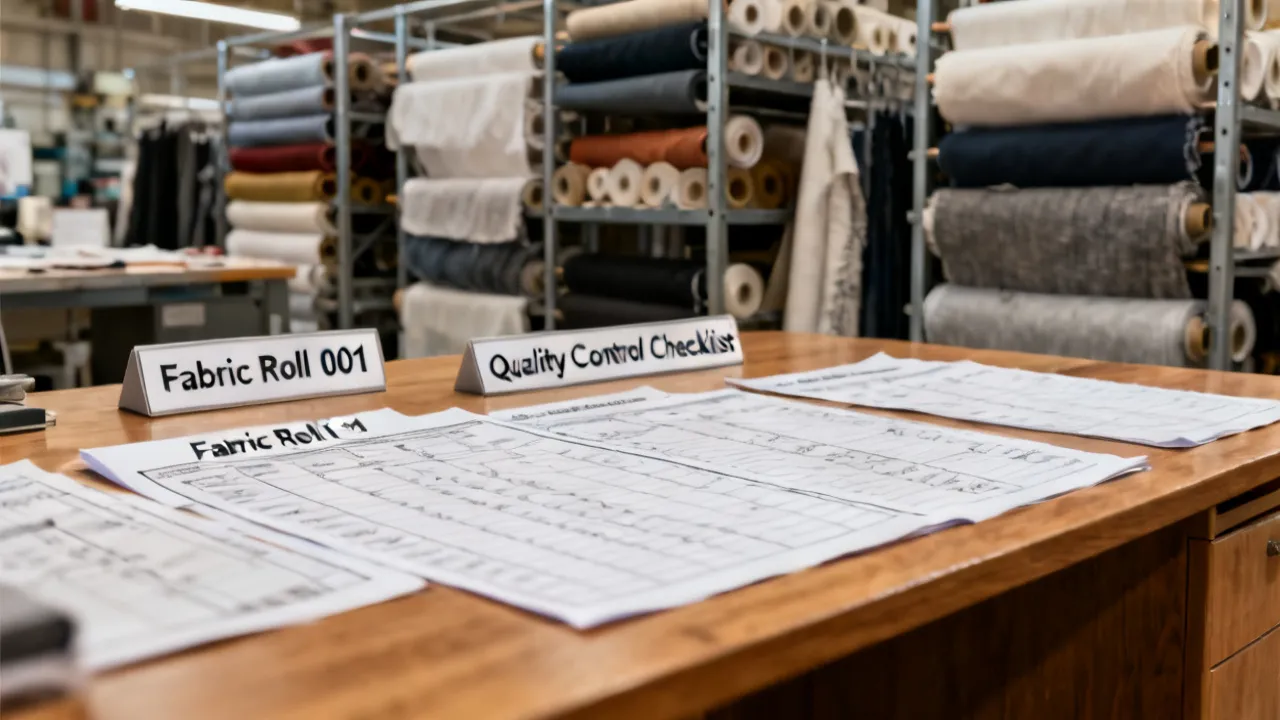
- Quality control: Do they mention inspection procedures or at least provide documentation that indicates batch/lot control?
- After-sales process: Do they provide a straightforward process to report issues (who to contact, how to submit evidence, and typical timelines)?
Requirements and conditions buyers should set before purchasing Ade Sara
To keep procurement objective, define requirements up front. If you don’t, you may only discover mismatches after delivery. Common requirement categories include:
- Item identity: exact variant, size/format, and included components.
- Quality evidence: photos of packaging, label details, certification documents (when applicable).
- Delivery conditions: dispatch date, expected transit time, and packaging method.
- Returns and defects: who pays for return shipment, what qualifies as a defect, and timeline for reporting issues.
- Payment terms: when payment is required, cancellation terms, and acceptable payment methods.
These requirements function as your “contract in practice.” Even if the supplier’s platform has general rules, written confirmation of key details helps prevent disputes.
To strengthen your readiness, you can convert requirements into an internal “purchase specification” document. Even a short one-page spec can be valuable. It should include:
- Product description in plain language (exact variant, format, and kit contents).
- Acceptance criteria (what counts as “matching” vs. “non-matching”).
- Evidence expectations (label photos, batch IDs, certification docs).
- Shipping and packaging expectations (protective packaging, labeling legibility, single-unit vs. multipack).
- Remedy rules (replacement/refund, timelines, return shipping responsibility).
When you share this spec during supplier inquiry, you create alignment early. It also makes it easier to evaluate quotes because suppliers can respond against the same checklist.
Quality assurance mindset: reducing mismatch risk
From an industry perspective, mismatch risk often originates from three points: unclear product identity, differing seller descriptions, and inadequate acceptance criteria. To reduce this, use structured acceptance checks upon receipt.
For example, you can set an internal checklist:
- Does the packaging match the provided description?
- Do labels show the expected variant information?
- Do quantity counts align with the invoice?
- Are there visible signs of damage consistent with transit handling?
- Do the included materials match what was promised?
When you detect a mismatch, act quickly according to the supplier’s reporting window. Delayed reporting is a frequent reason claims become difficult.
It’s also useful to separate two types of problems:
- Non-conformity (wrong item / wrong variant): The product identity does not match the agreed listing.
- Non-performance (item is correct but quality is inadequate): The product matches the identity but doesn’t meet expected performance or condition requirements.
Because suppliers often handle these differently, your acceptance documentation should capture the right evidence for each. For identity problems, label photos, packaging shots, and a comparison to the supplier’s written description are typically most persuasive. For performance/quality issues, you may need additional testing or photos that show the defect clearly.
Another way to reduce risk is to establish a “designated acceptance contact.” If your receiving team notes an issue but cannot route it quickly to procurement or customer support, delays can occur. A prepared escalation path—who reviews evidence, who contacts the supplier, and what deadline applies—can protect you from procedural misses.
Finally, consider the concept of “evidence completeness.” For example, if a claim requires proof that the item is wrong, a single photo might not be enough. Evidence completeness often includes:
- Photo of the outer packaging showing shipment identifiers.
- Photo of the internal label showing variant/grade.
- Photo of included components laid out for comparison.
- Photo of damage if relevant, with a time-stamped capture if your process uses it.
- Copy of the invoice/packing list entry matching “Ade Sara” description.
This isn’t about being difficult—it’s about making the dispute resolvable quickly and fairly.
Comparison of purchasing approaches (table, no links)
| Approach | Best for | What to verify | Typical risk if skipped |
|---|---|---|---|
| Direct supplier inquiry for Ade Sara | Repeat buyers and bulk planning | Variant specs, packaging, lead time, written returns policy | Buying the wrong variant or receiving inconsistent packaging tiers |
| Marketplace-style quote comparison | Small trials and rapid sourcing | Itemized inclusions, return conditions, seller responsiveness | “Same name” confusion and incomplete product kits |
| Document-first due diligence | Quality-sensitive contexts | Traceability/label details and any compliance documentation relevant to your market | Unclear quality basis and weaker claim support |
| Receipt-based acceptance checklist | Operations teams and inventory control | Label match, quantity count, condition upon arrival | Late disputes and inventory contamination |
Step-by-step procurement guide for Ade Sara
The following steps reflect common best practice in professional procurement workflows. Adjust them to your category, but keep the logic intact: clarify identity, compare apples-to-apples, and confirm conditions in writing.
Step 1: Define the exact Ade Sara variant
Write down what you need in plain terms: size/format, included components, and any must-have features. Then request supplier confirmation using the same wording.
Step 2: Request itemized pricing
Ask for a breakdown covering unit price, packaging/handling, shipping terms, and any transaction fees. Compare the final equivalent cost per unit delivered, not just the initial headline price.
Step 3: Ask for evidence of identity
Request photos of the label/packaging and any documentation you consider necessary for acceptance. This is especially important when different sellers use inconsistent descriptions for “Ade Sara.”
Step 4: Confirm lead time and dispatch conditions
Make sure dispatch dates are clear and that packaging is described (for example, protective wrapping, labeling clarity, and whether items ship as a single unit or in separate cartons).
Step 5: Lock in returns/defect criteria
Before payment, clarify how you report issues and what qualifies for replacements or refunds. Require a written statement of conditions if possible.
Step 6: Perform an acceptance check at receipt
Use your checklist to verify label match, quantity, and condition. Document with photos if your process requires it.
Step 7: Record results and refine your supplier shortlist
If a supplier meets the criteria consistently, you can negotiate for better terms. If mismatches occur, document patterns and reconsider ongoing orders.
These steps work together because each one addresses a specific failure mode. Identity clarification reduces “wrong item” risk. Itemized pricing reduces “hidden cost” surprises. Evidence requests reduce “cannot prove it was different” disputes. Lead-time confirmation reduces operational downtime. Returns criteria reduce the fear of being stuck with non-conforming goods. Acceptance checks reduce late claims and improves the quality of your evidence.
Conditions and requirements checklist (use before you pay)
- Specification confirmation: Supplier states the Ade Sara variant/format exactly.
- Clear inclusions: Included components are listed (no “and more” ambiguity).
- Written returns window: When you can report defects/mismatches and what remedies apply.
- Shipping terms clarity: Who pays, delivery estimate, and packaging standards.
- Invoice alignment: Invoice details match the item identity description.
- Quality evidence availability: Label photos and any applicable compliance/traceability documents.
- Contact responsiveness: Named contact and timely replies to spec questions.
To make this checklist operational, many teams add internal fields that you fill in as the order proceeds—like a “confirmed variant code” field, a “document received” field, and a “returns confirmation status” field. This helps prevent last-minute gaps when timelines are tight.
Industry context: why objective procurement beats “name-based” buying
Across many product categories—especially those with multiple variants under one brand label—professional buyers learn that the name alone cannot replace evidence. This is not about distrust; it’s about operational accuracy. When “Ade Sara” is used as shorthand, different sellers may interpret it differently. Over time, organizations that formalize their sourcing criteria typically experience fewer disputes, smoother inventory planning, and more predictable unit cost at scale.
For reference, reputable consumer research and procurement standards generally emphasize the same principle: compare documented specifications and contractual terms rather than relying on marketing claims alone. Where a category is regulated, additional compliance evidence may be required by law or industry best practice.
From a risk management standpoint, “name-based” buying fails because names are:
- Human-readable and therefore prone to translation, shortening, and informal usage.
- Seller-controlled, especially in marketplaces where listings are formatted for attention rather than precision.
- Context-dependent, since the same label may correspond to different kit bundles in different regions or seasons.
By contrast, evidence-based buying uses machine- and contract-friendly data such as SKU codes, label identifiers, batch records, invoices, packing lists, and written return conditions. These are the assets that make procurement defensible.
Another practical advantage of evidence-based procurement is that it improves your bargaining position. When you can point to objective mismatches—such as the wrong variant label or missing inclusions—you can request remediation quickly and fairly. Without evidence, negotiations become subjective, which often favors the party with more information (usually the supplier).
In procurement terms, this is about strengthening the “audit trail.” Even if you never undergo a formal audit, a strong audit trail makes internal decision-making easier and helps new team members follow consistent standards.
Frequently Asked Questions (FAQs)
1) What does “Ade Sara” mean when sellers describe it?
In sourcing contexts, Ade Sara is typically a product label used to identify a particular item or variant. However, different suppliers may describe variants differently. The safest approach is to request exact specifications, label photos, and itemized inclusions so you are comparing the same product.
If you want to be even more precise, ask for the variant identifier that appears on the product label and confirm it matches the supplier’s listing code. This step turns an ambiguous label into a concrete spec.
2) How should I compare Ade Sara prices across suppliers?
Compare final delivered cost using itemized pricing: unit price, packaging/handling, shipping terms, and any fees. Ensure the variant and inclusions match; otherwise, “price” comparisons can become meaningless.
As a rule of thumb, only rank offers after you’ve verified identity parity, logistics parity, and remedy parity. If you can’t confirm parity, treat the offer as “uncomparable” rather than cheaper or more expensive.
3) What supplier information should I request for Ade Sara?
Request documentation that supports identity and quality: label or packaging photos, batch/lot traceability if applicable, clear variant specification, and written returns/defect conditions. Also confirm lead times and dispatch arrangements.
Additionally, request a written acknowledgment that references your variant description. Even a short message like “Confirmed: Ade Sara variant X, kit contents A+B+C, shipped in packaging type Y, dispatched by date Z” can prevent misunderstanding.
4) Are there requirements I should set before purchasing?
Yes—define acceptance criteria: exact variant/format, included components, shipping and packaging expectations, and returns/defect reporting terms. These requirements reduce mismatch risk and strengthen claim support.
If your organization has a procurement policy template, adapt it. If not, create a simple internal form capturing the identity, evidence, shipping terms, and remedy rules.
5) What should I do if the Ade Sara item I receive doesn’t match the description?
Follow the supplier’s reporting window and provide documented evidence (photos of packaging, labels, and any visible defects). Compare what you received against the original itemized description. If the mismatch qualifies under the supplier’s stated conditions, request the agreed remedy (replacement, refund, or other resolution).
Operationally, it helps to stop further processing of the suspect goods while you prepare the claim. If your receiving team uses, opens, or alters the goods before documenting, some suppliers may dispute eligibility for return or replacement.
6) How can I decide whether to buy again from the same supplier?
Use a simple performance record: match accuracy (variant and inclusions), packaging condition upon arrival, on-time dispatch, and how they handle issues. Suppliers that consistently meet acceptance checks are better candidates for repeat orders.
For a more mature approach, track metrics such as “first-time match rate” and “claim resolution time.” These metrics correlate with both quality and operational stability.
Conclusion: a practical framework for Ade Sara sourcing decisions
Purchasing Ade Sara responsibly comes down to disciplined comparison: confirm exact identity, evaluate price through itemized, apples-to-apples comparisons, and vet your supplier using documentation, responsiveness, and clear terms. When you combine these steps with a receipt acceptance checklist, you create a repeatable process that supports both quality and operational predictability.
If you plan to share your target variant details (format, size, intended use, and your market requirements), the same framework can be tailored into a more specific procurement specification for your organization or team.
Ultimately, the goal is simple: ensure that every “Ade Sara” order behaves like a controlled procurement event rather than a guess based on a product name. When identity, evidence, terms, and acceptance are aligned before payment, the sourcing outcome becomes far easier to manage—whether you’re buying a small trial quantity or scaling up supply for ongoing needs.
-
1

Maximizing Your Purchase: Ram 1500 Deals and Towing Capacity
-
2
Maximizing Benefits of Solar Panels: Costs and Energy Efficiency
-
3
Affordable Stair Lifts for Seniors: A Comprehensive Guide
-
4
The Ultimate Guide to Lab-Grown Diamonds: Ethical & Cost-Effective Choices
-
5
The Ultimate Guide to Weight Loss Injections, Metabolism, and Appetite Suppression