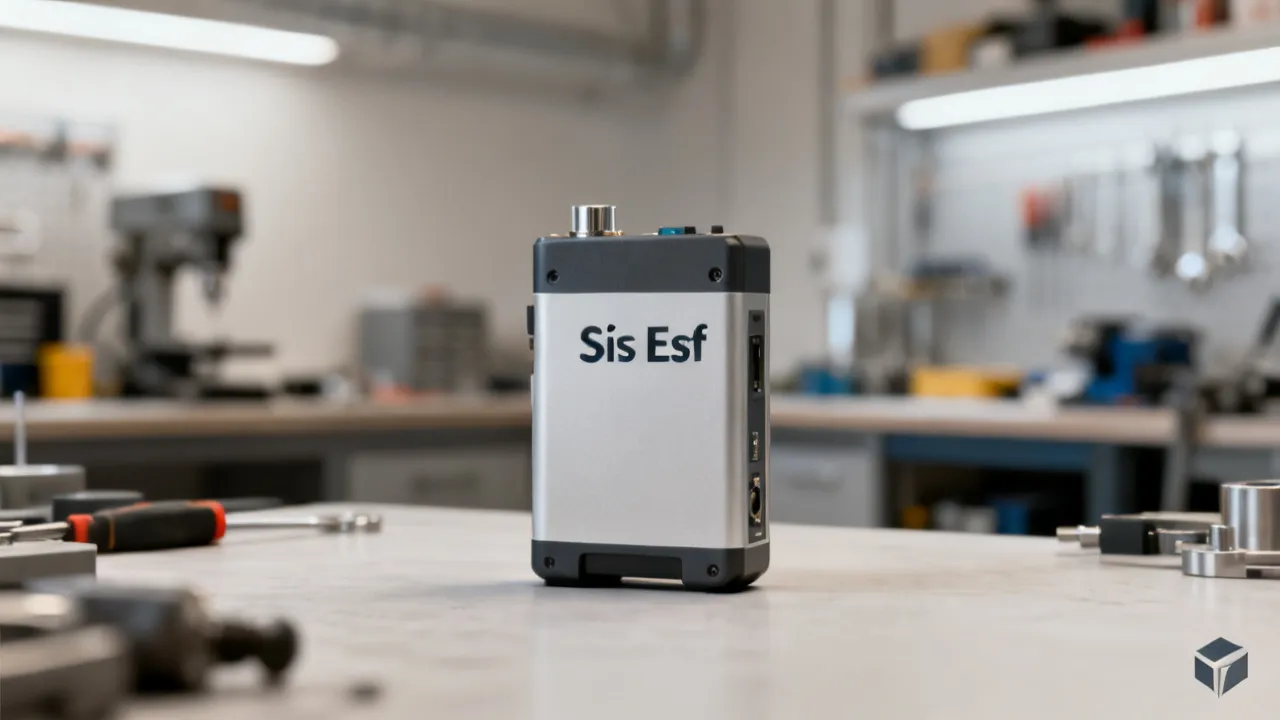
Understanding Sis Esf and Nearby Supply Options
This guide explains Sis Esf by clarifying what it typically refers to, how suppliers manage quality, and how buyers evaluate pricing and lead times in real purchasing workflows. Objectively, the term sits at the intersection of product sourcing, documentation, and vendor verification—topics shaped by regional procurement habits, communication standards, and compliance expectations.
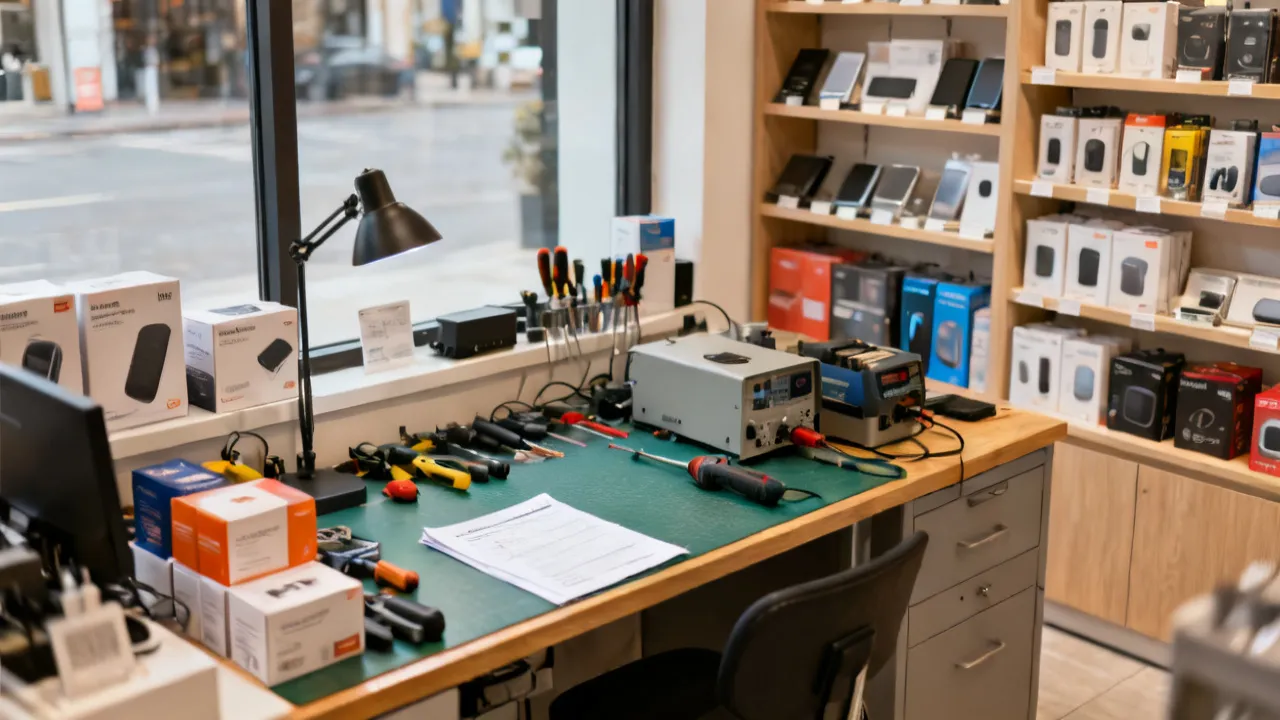
1) What Sis Esf usually means for buyers and why it matters
If you are trying to make sense of “Sis Esf” in a purchasing context, the most practical starting point is to treat it as a procurement reference—something you encounter when sourcing goods, arranging documentation, or confirming supplier terms. In day-to-day sourcing workflows, “Sis Esf” often appears alongside vendor communications (e.g., quotations, product specifications, availability checks), meaning it can function as a shorthand label tied to an offering, a sourcing route, or an internal supplier code.
For buyers, its importance is straightforward: procurement decisions succeed or fail not merely on product appearance, but on whether the supplier can consistently provide the correct item, at the agreed price, with the expected lead time, and with documentation that supports inspection and compliance. When “Sis Esf” is mentioned by a supplier, it is typically a signal to confirm scope—what exactly is being supplied, under what conditions, and how pricing is calculated.
In other words, even if “Sis Esf” itself is not a universally standardized term across all industries, its practical role in procurement is often consistent: it marks the deal configuration. That configuration may include a specific product variant, a particular packaging method, a set of included accessories, a shipping lane assumption, a warranty posture, or a documentation bundle. Buyers should therefore treat “Sis Esf” less like marketing language and more like a “key” used to unlock the real procurement details.
To make this clearer, consider a typical procurement scenario. A buyer requests a quotation for “a certain type of equipment” or “a certain SKU of parts.” The supplier responds with a quotation, referencing “Sis Esf” multiple times. The buyer might assume it is just a name. But in many cases, the buyer’s subsequent decisions—whether they can place a purchase order, whether the receiving department can verify completeness, whether quality inspection can proceed without delays—depend on the configuration behind that label. If the buyer does not confirm what “Sis Esf” represents, they may receive the wrong variant, the wrong packaging, the wrong paperwork set, or the wrong delivery routing. Those errors can create rework, claims, and schedule slip.
Therefore, the buyer’s first goal is not to guess what “Sis Esf” means in a literal language sense. The buyer’s first goal is to convert it into an operational description: “For this reference, you will deliver X with Y packaging, include Z documents, and ship by method W, ready to meet timeline T.” When that conversion is done effectively, “Sis Esf” becomes less mysterious and more manageable.
2) How pricing is commonly structured around Sis Esf inquiries
In supplier negotiations, the “price” you receive for an order referenced as Sis Esf is rarely a single, isolated number. Instead, it is usually the outcome of a set of cost drivers—often including specification complexity, packaging requirements, minimum order quantities (if applicable), logistics method, payment terms, and any testing or documentation requested.
Because many procurement teams only focus on comparing total amounts, they can miss the fact that the totals are not comparable when assumptions differ. For example, one supplier’s “Sis Esf” quote may include standard packaging and basic shipping insurance, while another may include custom labeling, a higher shipping tier, or mandatory inspection paperwork. If you compare totals without verifying inclusions, you risk selecting the cheaper option that is actually more expensive once receiving costs, returns, and delays are counted.
Buyer-focused takeaway: when you receive a quote, ask for the pricing logic in plain terms. You want clarity on what is included (e.g., standard packaging vs. custom labeling), what can change (e.g., freight based on destination), and what becomes an extra cost (e.g., expedited handling, additional testing, or revised documentation). This is especially relevant when a supplier’s quote is tied to a particular “Sis Esf” reference, because that reference often indicates a specific supply configuration.
In practice, a buyer-friendly quote should separate costs into categories that reflect how the purchase will actually be executed. Typical categories include:
- Item cost: the base price of the product/part/service referenced by Sis Esf.
- Specification-related costs: charges for material differences, custom tolerances, optional features, or special assembly steps.
- Packaging and labeling: palletization, protective materials, carton labeling, barcodes, lot/serial marking, or custom packaging artwork.
- Documentation: certificates, inspection reports, manuals, test results, compliance statements, or specific receiving packs.
- Logistics: freight charges, handling fees, shipping lane assumptions, and insurance.
- Commercial terms impacts: how lead time affects unit price, whether deposits unlock production priority, or whether late-stage changes trigger restocking or admin fees.
Important note on “price information”: because no concrete price figure was provided in your input, this article focuses on how to validate pricing rather than asserting an unverified number. If you share the quote details you received (even anonymized), I can help you structure a comparison and identify negotiation levers.
Even without a number, you can still validate “pricing integrity” by asking questions that reveal whether the quote is complete and whether it contains hidden assumptions. Examples include: “Is the freight included or excluded?”, “Are the documents included with the shipment or provided separately?”, “Does the price assume standard pack quantity?”, and “If we change the delivery address after dispatch, do charges apply?” Those questions help convert “Sis Esf” into a transparent commercial arrangement.
3) Supplier selection: verifying capability behind the “Sis Esf” label
From an industry perspective, supplier evaluation should be treated like risk management. When a supplier mentions “Sis Esf,” the next question should not be “Is it good?” but “Is it consistently deliverable?” Consistency is proven through verifiable processes—quality control checkpoints, traceability practices, document handling, and a predictable response cadence during order changes.
In practical sourcing, these checks usually include:
- Specification alignment: confirming that the delivered item matches the requested technical or functional requirements tied to Sis Esf.
- Document readiness: ensuring the supplier can provide the necessary paperwork needed for inspection, warranty, or compliance checks (as required by your organization).
- Packaging and handling: verifying protection and labeling practices to reduce damage and reduce time spent on claims.
- Communication reliability: confirming response times for confirmations, amendments, and shipping notifications.
Supplier selection becomes much easier when buyers distinguish between “capability” and “capacity.” Capability answers whether the supplier can meet the specs and quality requirements. Capacity answers whether the supplier can meet the quantity and timeline. “Sis Esf” often signals a capability pathway (“we deliver this configuration”), but the buyer still must confirm capacity—especially if order volume or timing is tight.
Another key point: “Sis Esf” may reflect more than one internal supplier process. For instance, a supplier might use “Sis Esf” to denote a particular source of materials or a particular sourcing lane. That could mean the supplier has multiple options (e.g., multiple manufacturers or multiple packaging lines). If your buyer assessment focuses only on the item’s description and not on the operational path behind it, you may experience inconsistencies when the supplier switches between underlying options due to availability constraints.
Therefore, when you verify supplier readiness, ask operational questions that force clarity. Examples:
- “What manufacturing or assembly steps are associated with this Sis Esf configuration?”
- “What happens if the specified component is temporarily unavailable—do you substitute, and if so, how do you approve substitutions?”
- “How do you ensure traceability (lot/serial) from receiving through packing?”
- “Can you provide a sample of the packing list and certificate format you will include?”
- “Who will be the point of contact for changes and for claims processing?”
These questions are not about challenging the supplier; they are about making sure the reference label maps to a repeatable process. Over time, procurement teams learn that suppliers who can describe how “Sis Esf” is fulfilled are typically easier to manage and less likely to cause costly discrepancies.
4) Lead time and “nearby” sourcing logic (without assuming location)
You may encounter “Sis Esf” in supplier conversations that reference nearby logistics, because many procurement teams prefer shorter transit times and fewer handoffs. While the input does not specify a concrete city or country, the practical logic remains universal: “nearby” sourcing aims to reduce delivery uncertainty, improve coordination with receiving schedules, and lower the risk of delays that can affect production or installation timelines.
Objectively: shorter distances typically allow for more responsive adjustments, but they do not automatically guarantee speed—carrier availability, packaging readiness, and customs/route constraints (if applicable) still influence final lead time. Therefore, when a supplier promises “nearby” delivery, you should validate with a clear timeline: production/packing readiness date, dispatch date, and the estimated receipt window.
A buyer should think of lead time as a sequence rather than a single number. Even if a supplier uses a simple “delivery in X days” statement, the buyer can still request decomposition. Lead time decomposition typically includes:
- Order processing time: time from purchase order confirmation to internal kickoff.
- Procurement/production time: time for sourcing components, assembling, testing, or preparing.
- Packing and documentation time: time for labeling, kitting, and completing paperwork.
- Transit time: time in transit by the chosen carrier and route.
- Receiving and last-mile delay buffer: time influenced by dock schedules, delivery appointments, and location constraints.
“Nearby” can affect multiple steps—especially order processing (faster response) and transit (shorter travel). But it may not reduce documentation completion time if paperwork depends on internal schedules. It may also not eliminate transport risk if weather, carrier capacity, or route limitations apply. That is why you should validate lead time with dates tied to operational milestones rather than relying only on geographic language.
To avoid misunderstanding, buyers can ask for an example schedule tied to the Sis Esf reference: “If we place the order on date A, when is production ready, when will goods be packed, when is dispatch, and what is the estimated delivery window?” This forces the supplier to commit to operational dates, which can later be compared against reality if disputes arise.
Additionally, buyers should consider “soft timeline” risk. If the supplier says dispatch depends on third-party carrier availability, the buyer may want a contingency plan (alternative carrier, backup delivery day, or a safety stock arrangement). “Nearby” alone does not address this; only a clear timeline and contingency terms do.
5) Quality control and documentation expectations
In professional procurement, quality is rarely a single inspection event; it is a chain of controls. For items referenced under Sis Esf, buyers should clarify how quality is handled at each stage:
- Pre-fulfillment: incoming checks for materials/components (if the supplier is assembling or curating products).
- During fulfillment: process controls and rechecks for correct variant, labeling, and packaging.
- Post-fulfillment: readiness checks before shipment and readiness of documents for delivery and after-sales needs.
If documentation is part of the supply expectation, request a list of documents included in the order—such as packing lists, certificates where relevant, or any inspection notes that your receiving team requires. A supplier who can answer these clearly is typically more operationally mature than one who responds vaguely.
Documentation is not a bureaucratic burden; it directly supports receiving operations and downstream compliance. For example:
- Packing list accuracy: prevents shortages and reduces time spent reconciling counts.
- Certificates/inspection reports: enable quality verification without re-testing, when your internal rules accept vendor evidence.
- Lot/serial traceability: supports warranty claims, recalls, and technical support.
- Manuals and usage instructions: reduce installation errors and returns.
For Sis Esf orders, a common failure pattern is “partial documentation.” The supplier ships physical goods but does not include the required certificates or provides them late. That creates operational friction. Sometimes goods can still be received, but production or acceptance sign-off is delayed until paperwork arrives. In regulated or quality-sensitive environments, this can stop the production line or trigger compliance holds.
Therefore, buyers should insist on clarity about document delivery method and timing: Are documents printed and placed in a pouch attached to the shipment? Are documents emailed on dispatch? Are certificates provided with each lot? Are there any formats you must use (PDF, hard copy, portal upload)?
Buyers may also want to define documentation responsibilities in the purchase order terms: who is responsible for ensuring document completeness, and what happens if documentation is missing or incorrect. A mature supplier will accept clear responsibilities; an immature supplier might respond with excuses.
Quality control expectations should also include how the supplier handles deviations discovered before shipment. Buyers can ask: “If a nonconformance is found during internal checks, do you scrap, rework, or hold and notify?” This question reveals whether the supplier uses systematic nonconformance management or relies on ad hoc decisions.
6) Step-by-step buyer workflow for Sis Esf orders
To reduce back-and-forth, use a structured workflow. This approach supports objective evaluation across price, supplier capability, and delivery performance.
Step-by-step guide (industry-practice approach)
Below is a practical procurement workflow that you can apply whether you are sourcing a one-time order or building a recurring supplier relationship.
- Clarify the Sis Esf scope: Ask what the reference covers—exact product variant, specification, packaging form, and any included accessories or services. Request the supplier’s definition of “Sis Esf” as it applies to your quote.
- Request a written quote breakdown: Confirm line items for product, packaging, handling, documentation, and logistics assumptions. Ensure the quote states validity duration. Ask whether freight is included and whether any charges are conditional.
- Confirm lead time components: Ask for the readiness date and estimated transit duration. Do not accept only a single “delivery date” without context. Request dispatch milestone and estimated receiving window.
- Validate supplier documentation capacity: Request a sample set of paperwork (redacted if needed) or a checklist of what will be included. Confirm document format and delivery method (printed pouch, email on dispatch, portal upload).
- Define acceptance criteria: Determine how your team will inspect the item on arrival—what constitutes acceptance vs. rejection and how claims are processed. Include completeness checks and specification matching.
- Align on payment terms: Ensure payment milestones correspond to fulfillment stages (e.g., deposit vs. dispatch). Clarify what triggers invoices and whether payments are tied to documentation submission.
- Monitor order updates: Set expectations for notifications (packing confirmation, dispatch notice, tracking updates). Establish who sends updates and at what frequency.
- Post-receipt review: Record any discrepancies, assess packaging condition, and track whether documented specs matched delivered units. Feed this information back into supplier evaluation for future orders.
Conditions and requirements commonly used when sourcing under Sis Esf references
Because supply arrangements vary, the following are typical conditions buyers use to protect themselves. Treat them as requirements you should confirm—not as universal rules.
- Minimum order terms: some suppliers require minimum quantities or standardized packs. Ensure you understand whether minimums are per SKU, per packaging unit, or per order.
- Specification confirmation deadline: vendors may require confirmation before production/assembly begins. Ask what date the supplier needs confirmation by, and what happens if your internal review takes longer.
- Packaging standard: define whether standard packaging is acceptable or if customized packaging is required. Clarify labeling requirements, barcodes, and pallet configuration.
- Documentation checklist: specify what paperwork is mandatory for receiving, warranty handling, or internal compliance. Include details on certificates, inspection results, and traceability information.
- Return and claims process: confirm claim timelines, evidence requirements, and whether replacement is offered. Define how you will document damages (photos, condition report, packaging evidence).
- Delivery responsibility: define who bears risk at what stage (handoff point) and what happens if delays occur. Consider whether delays trigger partial delivery or cancellation rights.
Buyers should also consider operational “change control.” If during the order lifecycle the supplier needs to change anything related to the Sis Esf configuration—materials, packaging, supplier source, or documentation format—the buyer should require formal approval before dispatch. Without that control, the supplier may substitute based on availability, and the buyer may only discover the mismatch after receiving.
In addition, buyers often benefit from including explicit “no substitutions without approval” language when quality and compliance matter. Even if substitutions are allowed in principle, the buyer needs a defined process: notification, documentation of equivalence, and your approval step. Otherwise, you lose leverage and may be stuck with claims rather than prevention.
7) Comparison table: evaluating Sis Esf suppliers and purchasing options
The table below compares practical supplier options using non-link, objective evaluation categories. Since your input did not provide specific supplier names or price figures, this is a framework you can apply to whatever supplier list you have.
| Evaluation factor | What “good” looks like | What to confirm with your supplier |
|---|---|---|
| Price transparency | Line-item clarity and clear assumptions | What is included for the Sis Esf reference (product, packaging, logistics, documentation)? Are there separate charges for freight, labeling, or tests? |
| Documentation readiness | Predictable paperwork checklist | Which documents are mandatory for receiving/quality assurance, and when/how are they delivered (printed, email, portal)? Can they provide samples? |
| Lead-time reliability | Defined readiness and dispatch timeline | What is the production/packing readiness date and estimated transit window? What portion of the lead time is within the supplier’s control? |
| Quality control process | Traceable inspection checkpoints | How is specification alignment checked before shipment? How is traceability maintained (lot/serial)? What happens if nonconformance is found? |
| Communication cadence | Consistent responses during order changes | Who confirms amendments and when do updates occur (packing confirmation, dispatch notice, tracking)? What are their typical response times? |
| After-sales and claims | Documented claim method and response SLA | What is the process for replacements, returns, and evidence requirements? What timeline exists for claim resolution and shipment of replacements? |
To use this table effectively, you can score each supplier on the “good” criteria and also track the “confirm” questions as audit items. If a supplier cannot provide clear answers, that is itself a data point. Procurement teams often focus too heavily on initial price and too little on these operational details. Over time, the suppliers that win consistently are those that can deliver the configuration reliably, document it correctly, and communicate changes early.
It is also useful to add a practical column in your internal spreadsheet: “Impact if wrong.” For example, if documentation is missing, the impact might be delayed acceptance and compliance holds; if packaging is inadequate, the impact might be damage and claims; if lead time is unreliable, the impact might be production downtime. Mapping impacts helps justify decisions beyond unit price and supports internal approval processes.
8) Industry context: why “supplier details” and verification matter
Across sourcing categories, procurement teams increasingly emphasize operational verification. This shift is driven by the reality that product quality and delivery performance can diverge between marketing descriptions and actual fulfillment. As a result, when “Sis Esf” enters the conversation, it is best treated as an operational reference that must be validated through a quotation workflow and a defined acceptance process.
For further reading on procurement and operational verification principles, professional organizations and standards bodies regularly publish guidance around quality management and supplier assessment. For example, the ISO family of quality management standards is widely used as a reference point for building reliable processes, including supplier-related controls. (See sources such as ISO quality management guidance at the official ISO website.)
Operational verification matters because it protects the organization from three common failure modes:
- Specification mismatch: the delivered goods technically differ from the requested requirements.
- Documentation mismatch: the delivered goods may be correct, but paperwork is missing or incomplete, preventing acceptance.
- Timeline mismatch: goods arrive later than required, even if they are ultimately correct.
“Sis Esf” can be a marker for any of these mismatches. If the supplier uses the reference label to represent a configuration that includes documentation and packaging assumptions, verification ensures that those assumptions are aligned with your receiving and quality processes.
In many procurement environments, verification is performed through structured steps: request-for-quote discipline, qualification checks, pre-shipment inspections, sample approvals, and receiving checklists. When buyers apply the steps described earlier, “Sis Esf” becomes a predictable part of procurement rather than an ambiguous label that introduces risk.
Moreover, supplier verification can be incremental. You do not always need to conduct deep audits for every small order. However, you should increase verification intensity when orders have higher risk—such as tighter timelines, regulated compliance needs, higher unit cost, or critical production dependency. In those cases, “Sis Esf” should trigger additional scrutiny because the reference may imply a specific configuration that could be wrong in subtle ways.
9) Localization note: handling “nearby” expectations in real conversations
If your procurement environment uses “nearby” sourcing language, it often reflects local expectations about responsiveness and coordination. In many communities, buyers may prefer suppliers who can quickly answer questions, adjust packaging, or coordinate pickup schedules without long delays. Even when the product is the same, the difference between a supplier who can coordinate quickly versus one who takes days to respond affects overall project performance.
Local procurement culture can also shape communication style: some teams prefer concise confirmations (“packed / dispatched / tracking”), while others expect more detailed updates. Regardless of style, the objective remains consistent: your team should have enough information to plan receiving and to document compliance and acceptance.
When “nearby” is mentioned, you should still treat it as a hypothesis about logistics rather than a guarantee. A supplier might be geographically close but still face internal delays (packaging backlog, certificate generation time, or quality hold situations). Conversely, a supplier could be farther away but have stronger operational readiness and faster dispatch. Procurement decisions should therefore depend on validated timeline components, not on geographic assumptions.
One practical approach is to translate “nearby” into measurable commitments. For example, instead of accepting “we’re nearby so it will be fast,” ask: “What is your dispatch cutoff time? When will the goods be packed? What delivery window do you commit to?” These questions remain valid across countries and industries.
Another localization consideration is receiving logistics. Even if goods are delivered quickly, receiving departments may not accept deliveries outside set appointment windows. In such cases, the “nearby” advantage may be reduced if the supplier cannot schedule deliveries effectively. Buyers should coordinate dock schedules, receiving cutoffs, and any appointment processes as part of the Sis Esf procurement plan.
Therefore, it helps to build a mini receiving plan: who signs on delivery, what documents are required at receiving, and what acceptance steps happen immediately on arrival. “Near-by” delivery can fail to deliver value if the receiving plan is not aligned.
10) FAQs
Q1: What does “Sis Esf” refer to?
In practical procurement contexts, “Sis Esf” often functions as a reference label tied to a product offering, sourcing route, or supplier code. Its exact meaning depends on the supplier’s internal naming and the scope stated in your quote or purchase document. You should confirm the precise product variant and included items directly in writing.
Q2: How should I evaluate Sis Esf pricing if I don’t have a baseline number?
Rather than comparing only a single figure, compare what the price includes. Ask for a line-item breakdown covering product, packaging, documentation, and logistics assumptions. Then compare lead time components and any conditions like minimum order quantity or specification confirmation deadlines.
When possible, request a “quote validity” period and check whether costs can change after that validity window. Some suppliers may lock item pricing but treat logistics costs as variable. Knowing what can change reduces surprises and helps you negotiate more confidently.
Q3: What supplier details are most important to request?
Focus on (1) specification alignment capability, (2) documentation checklist, (3) packaging and handling standards, (4) lead-time readiness and dispatch timeline, and (5) claims/returns process. These details determine operational risk far more than general marketing claims.
Additionally, it can be useful to request evidence of past performance. That could be references, anonymized case studies, or examples of documentation packs for similar deliveries. Even a sample packing list and certificate set can reveal whether the supplier’s documentation practices match your receiving needs.
Q4: Does “nearby” sourcing guarantee faster delivery?
“Nearby” can reduce uncertainty, but speed still depends on whether the supplier is ready to pack and ship on schedule, on carrier availability, and on any route constraints that apply. The objective validation is to ask for the readiness date and dispatch timeline, not only the target delivery day.
In particular, clarify what “nearby” means operationally: is dispatch more frequent, is pickup available sooner, and are there fewer intermediary handoffs? Your confirmation should turn that language into a timeline and process expectation.
Q5: What acceptance criteria should I define for Sis Esf orders?
Define how you will inspect the delivered item: specification matching, packaging condition, labeling accuracy, and completeness of included components. Also define evidence requirements (photos, packing list checks) and the timeline for submitting claims.
If your organization has formal quality procedures, integrate the Sis Esf reference into those procedures. For example, define which documents must be present to complete acceptance sign-off and which nonconformities trigger immediate hold or escalation.
Q6: Are there recommended quality frameworks for supplier evaluation?
Many organizations use quality management principles aligned with ISO quality management standards and supplier assessment practices. Even if you do not implement ISO formally, adopting a structured checklist based on process consistency, documentation, and inspection checkpoints improves reliability.
Supplier evaluation frameworks often include criteria such as process control, corrective action capability, traceability, and document management. The goal is to evaluate repeatability: can the supplier deliver the same “Sis Esf configuration” correctly every time?
11) Reliable sources for procurement and quality principles
To keep the guidance grounded, the following types of sources are commonly used by procurement and quality professionals:
- ISO (International Organization for Standardization) documents and summaries related to quality management and process control.
- Official industry publications from logistics and quality bodies that discuss supply chain performance, supplier assessment methods, and risk management approaches.
Because your prompt did not include a specific industry category (e.g., electronics, parts, consumables), I did not cite narrowly targeted claims or numbers that could be inaccurate for your use case. If you share the product category, I can recommend the most relevant official reports.
In general, when you look for sources, focus on themes that map to procurement risk: supplier capability assessment, nonconformance management, corrective actions, receiving controls, traceability, and document control. These topics are consistently relevant across industries and are the foundation for operational procurement discipline.
Additionally, buyers sometimes use internal standards as their “source of truth,” such as receiving work instructions and quality requirements documents. When “Sis Esf” appears in supplier communications, aligning it to your internal receiving instructions is one of the strongest verification methods because it connects external claims to internal reality.
12) Expert conclusion: treat Sis Esf as an operational checklist trigger
From an industry expert’s point of view, the most effective way to use “Sis Esf” in decision-making is to treat it as a trigger for clarification: confirm the exact scope, validate pricing assumptions, establish delivery timelines, and require documentation and acceptance criteria upfront. When you follow a step-by-step procurement workflow and use a structured comparison table, you reduce the risk of mismatches and protect your schedule—especially when suppliers describe options as “nearby.”
Ultimately, procurement excellence is not about understanding every term in isolation; it is about building a reliable chain of evidence from quotation to receipt. “Sis Esf” is valuable only insofar as it can be translated into a complete and verifiable procurement configuration. When that translation is done—by decomposition of lead time, line-item validation, document checklist confirmation, and acceptance criteria alignment—buyers gain control.
If you provide the supplier quote text (anonymized) that includes Sis Esf, I can help you rephrase the scope in a buyer-friendly specification, highlight ambiguous terms, and convert the quote into a structured comparison against your other options.
-
1

Maximizing Your Purchase: Ram 1500 Deals and Towing Capacity
-
2
Maximizing Benefits of Solar Panels: Costs and Energy Efficiency
-
3
Affordable Stair Lifts for Seniors: A Comprehensive Guide
-
4
The Ultimate Guide to Lab-Grown Diamonds: Ethical & Cost-Effective Choices
-
5
The Ultimate Guide to Weight Loss Injections, Metabolism, and Appetite Suppression