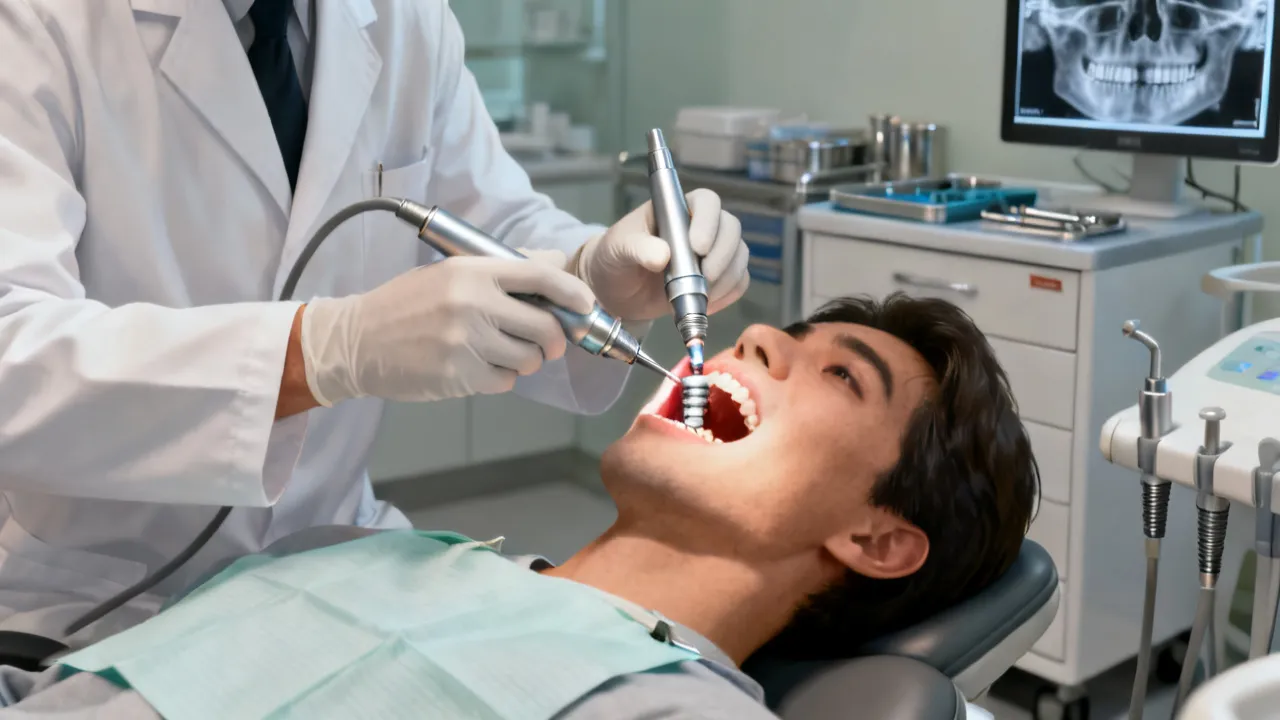
Ade Sara: A Practical Guide to Low-Cost Dental Implants
This guide explains how patients named Ade Sara can approach dental implant care with a focus on affordability. It reviews reputable sources, compares low-cost information services, outlines step-by-step pathways in English-, Spanish-, and Portuguese-speaking countries, and summarizes typical implant cost ranges by country. It also includes expert-driven FAQs and key requirements before treatment.
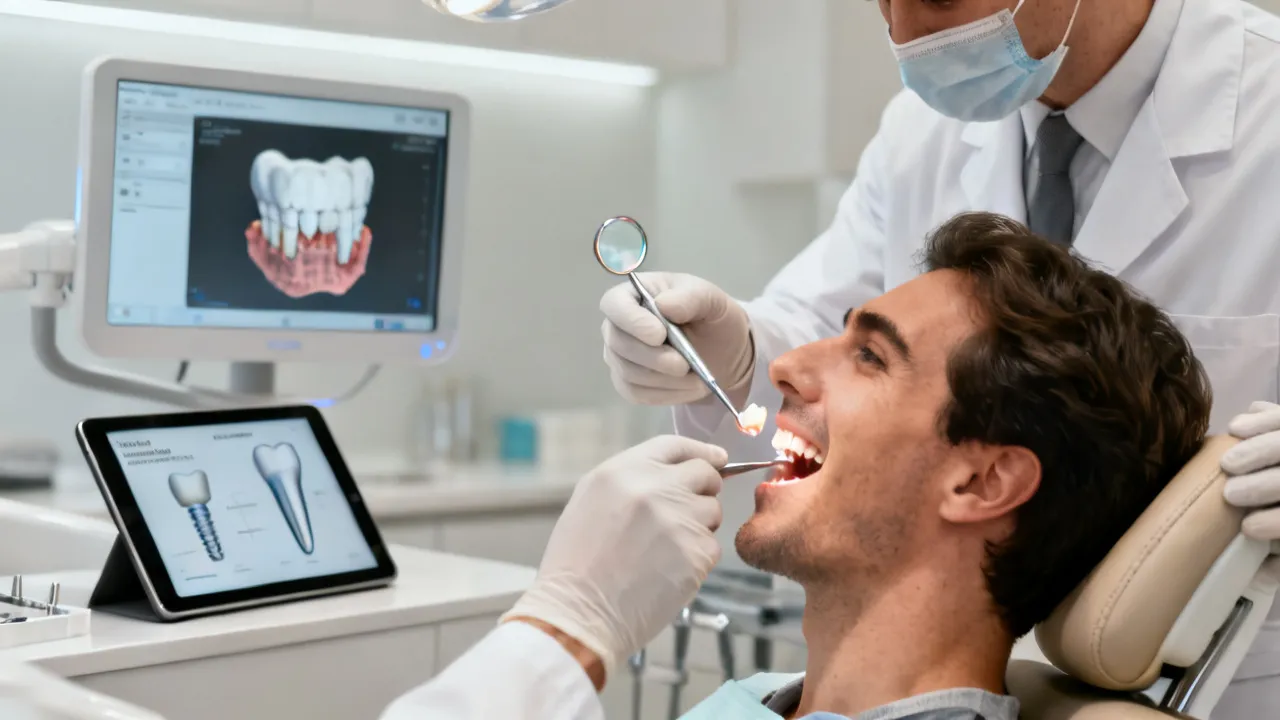
1) Quick Context: What “Ade Sara” Means in Low-Cost Implant Planning
For many people searching for “Ade Sara” online, the phrase functions as a personal reference point—either a name used in consultations, a case identifier, a keyword tied to a specific patient journey, or sometimes even a clinic-related term that appears in prior correspondence. In practice, “Ade Sara” can act like a breadcrumb that leads a patient back to an earlier stage of decision-making: “I’m looking at dental implants, but I need a way to manage the cost without skipping the safety steps.”
In this article, we treat Ade Sara as the starting point for a broader, practical goal: understanding how to pursue low-cost dental implants while maintaining clinical safety and long-term reliability. Rather than framing “low cost” as a single target price, we treat it as an exercise in smart procurement of care: comparing treatment plans, verifying credentials and component scope, understanding what is actually included in a quote, and aligning the plan with the patient’s anatomy and health conditions.
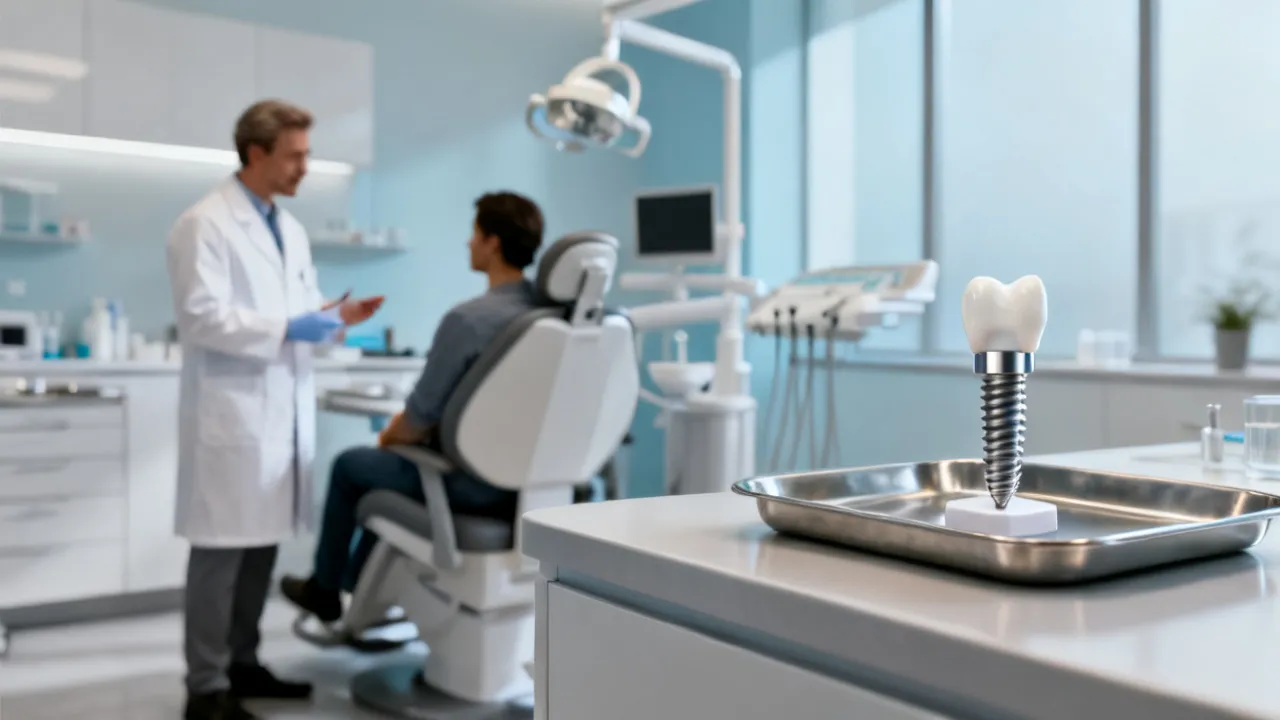
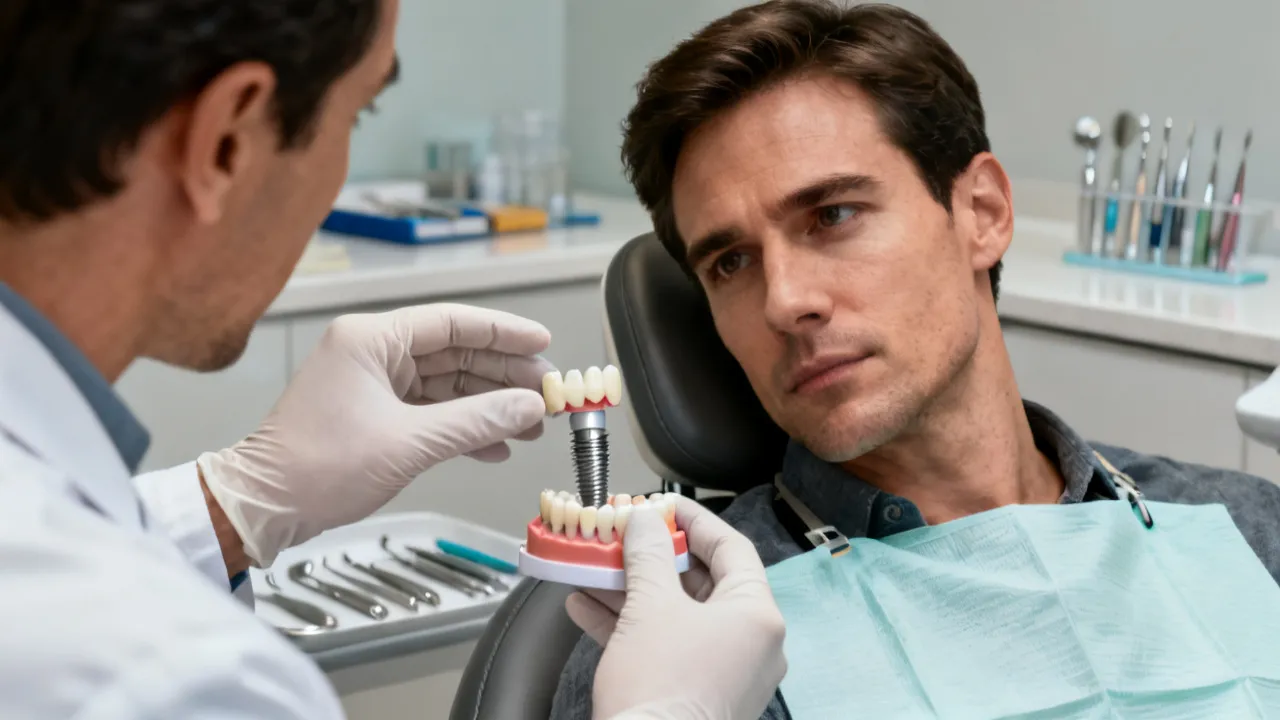
Dental implants are complex, multidisciplinary treatments involving oral surgery, diagnostic imaging, restorative planning, materials selection, infection-risk management, and long-term maintenance. The “low cost” conversation therefore should not be interpreted as “cheaper is better” or “a discount is enough.” The right question is usually something like: “How do I move forward safely at a price I can manage—and how do I avoid hidden steps that inflate the total cost later?”
2) Why “Low-Cost” Requires a Structure (Not Just a Discount)
From an industry perspective, implant affordability typically comes from one or more of the following:
- Transparent pricing (clear breakdown of surgery, imaging, abutments, crowns, warranties, and follow-ups).
- Optimized clinical workflow (efficient diagnostics, standardized implant components, and evidence-based protocols).
- Insurance or financing pathways (where available).
- Cross-border dental tourism (for certain patients willing to coordinate travel and aftercare).
- Appropriate treatment selection (choosing the right implant system and restorative design for the patient’s bone volume, soft tissue characteristics, and bite requirements).
Web resources focused on “low cost” can attract attention because they emphasize savings. However, the highest-value information is not the promise of low pricing—it’s the process for arriving at a clinically sound plan. In that sense, “Ade Sara” searches often indicate a real-life decision stage rather than mere curiosity: “I want implants, but I need to understand how to reduce cost responsibly.”
There is also a practical reason to use a structured approach: implant treatment is not only a purchase, it is a sequence of clinical events. If you compress or skip steps (for example, diagnostics, periodontal stabilization, or clear restoration planning), you may save money in the short term and spend far more later on corrections, remakes, grafting revisions, or management of complications.
So, “low cost” should be understood as “low cost with the right foundation.” That foundation includes diagnosis, component matching, and a follow-up plan you can actually access when needed.
3) Where Patients Look: Reputable Low-Cost Dental Implant Information Sources
Patients typically consult a mix of clinic websites, consumer education resources, and insurance or dental tourism platforms. The goal is to understand what information each source tends to offer—and how to use that information effectively during your decision-making.
Below is a compact comparison of websites that provide information on low-cost dental implants. Use the table as a navigation tool: when you visit a site, ask yourself whether it is primarily focused on education, clinic services, or travel/coordination.
| Website | Information focus (low-cost lens) |
|---|---|
| dentalviews.com | Educational guidance on affordable implant solutions, typical benefits, treatment types, process explanations, and cost-related FAQs. |
| atlanticdentalgrp.com | Clinic-led service information spanning implants and general dentistry, with an emphasis on patient access, scheduling, and service descriptions. |
| dentavacation.com | Dental tourism orientation—cost comparisons, procedure options by destination, and travel considerations for affordability-seeking patients. |
| rockvilledentalarts.com (Spanish) | Insurance-aware guidance and planning content that helps users understand coverage logic and how to access dental implant-related care. |
source list (as referenced):
source: www.dentalviews.com
source: www.atlanticdentalgrp.com
source: www.dentavacation.com
source: rockvilledentalarts.com (ES)
As a practical method, you can use these sources in sequence. For example:
- Use an educational resource (like dentalviews.com) to learn how treatment is typically structured and which cost variables exist.
- Use a clinic-led site (like Atlantic Dental Group) to confirm that implants are offered and how their workflow generally operates.
- Use a tourism platform (like DentaVacation) only if you are seriously considering travel and want to understand packaging, documentation, and scheduling.
- Use a Spanish-language or insurance-aware page (like the Rockville Dental Arts Spanish content) to strengthen your question list about coverage and eligibility.
This layered approach prevents you from making a decision based only on promotional language or a single “low price” line item.
4) Cost Ranges for Dental Implants by Country ({for affordability planning})
Below are reference-only ranges for individual dental implants across multiple languages and markets. Treat these as budgeting signals rather than promises—final quotes depend on imaging results, implant brand/system, whether bone grafting or sinus lifts are required, crown materials, the complexity of your bite, and the number of follow-ups included in the package.
It’s important to interpret these ranges correctly. An “implant price per unit” may include the implant fixture but not necessarily include the restorative components (like the crown) or the diagnostic imaging and surgery-related extras. Conversely, some clinics bundle everything into one “package price” (often at a level that differs by country). So, when you compare, compare scope, not only currency.
| Country | Currency | Price range (per implant) |
|---|---|---|
| United States | USD | $3,000 - $6,000 |
| United Kingdom | GBP | £2,000 - £2,500 |
| Australia | AUD | AU$3,500 - AU$6,500 |
| Canada | CAD | CA$3,000 - CA$5,500 |
| Spain | EUR | €1,500 - €2,500 |
| Chile | CLP | CLP$800,000 - CLP$1,500,000 |
| Mexico | MXN | $15,000 - $25,000 |
| Colombia | COP | $2,000,000 - $4,000,000 |
| Peru | PEN | S/ 3,000 - S/ 6,000 |
| Argentina | ARS | $80,000 - $150,000 |
| Brazil | BRL | R$3,000 - R$8,000 |
| Portugal | EUR | €1,000 - €2,000 |
To make these ranges useful for your planning, translate them into a “total treatment cost scenario” using a simple logic:
- If you need only one crown after implant placement (and no grafting), your total cost may align more closely with the lower end of the range.
- If you need extractions, grafting, sinus lift, periodontal treatment, or custom abutments, your cost may land closer to the upper end.
- If your quote includes pre-op and post-op visits, imaging, and restoration fabrication, it may differ from a quote that lists only the surgical implant fixture.
This is where “Ade Sara” as a search term can matter: people often find a specific clinic or plan they previously explored. Your job now is to confirm what was included, what was not, and whether your case requires additional steps.
5) Step-by-Step: How to Get Dental Implants at Low Cost (by Language Context)
Prices vary, but the workflow for low-cost planning is remarkably consistent. The following guidance is written for patients considering implant care in English-, Spanish-, and Portuguese-speaking countries. In each case, the “local nuance” is practical: language support, insurance awareness, and clinic selection criteria.
Even if you’re not choosing a specific destination yet, you can still follow this process at home. Think of this as building an “implant cost dossier” so that every clinic quote you request is comparable and you avoid paying twice for the same steps.
Step 1: Start with a full diagnostic baseline (avoid “blind quotes”)
Before comparing prices, confirm the diagnostic items are planned. In most evidence-based pathways, clinics use:
- Clinical exam (gum health, bite evaluation, mobility of adjacent teeth).
- Imaging such as CBCT or equivalent 3D assessment, when indicated.
- Bone evaluation to determine whether grafting may be needed.
- Medical review (diabetes control, smoking status, medications, periodontal history).
- Periodontal assessment where relevant (probing depths, inflammation status, stabilization plan).
Why it matters for low cost: if bone grafting, extractions, or longer healing is required but not included in the quote, the “cheap” price may become expensive later. A quote that does not account for diagnostics can also hide risks: implant placement in inadequate bone or with unresolved periodontal inflammation increases complication potential and may compromise long-term outcomes.
Practical question to ask: “What diagnostic records are required before you can confirm a price and a timeline?” A reputable clinic will answer clearly and explain what they need.
Step 2: Ask each provider to disclose what the quote includes
Low-cost comparisons should be normalized. Request line-item clarity for:
- Surgical phase and anesthesia type (local, sedation, or general—where available).
- Implant system/component details (where applicable, include implant brand/model if possible).
- Abutment type (standard vs custom; stock vs customized based on prosthetic plan).
- Crown/restorative component materials (zirconia, PFM, composite, etc.).
- Warranty or remakes policy (especially for crown fit, chipping, or restoration remakes).
- Imaging/scans and sterilization protocols (high-level confirmation; you don’t need lab-level secrets).
- Number of post-operative visits included.
- Whether additional visits are billed separately (and at what approximate cost).
Expert note: The most cost-effective plan is often the one with the fewest surprises—especially around restoration timelines and aftercare coverage. A lower quote that lacks restoration clarity can produce additional lab fees, extra consult visits, or delays that require temporary solutions at additional cost.
If you want to keep costs down, clarity itself is a cost-saving tool. When you can compare apples to apples, you avoid “negotiating” against unknowns. Ask for the quote to be written down and shared as a document, not only as a verbal estimate.
Step 3: Use reputable “cost education” platforms to refine your questions
If you begin your research with an affordability-focused resource like a consumer education page, you can convert general knowledge into a sharper set of clinic questions. For example, a site such as dentalviews.com typically provides structured explanations of implant treatment types and cost variables, which can help you avoid misunderstandings when discussing options with a clinician.
After you read, turn the content into a list of your personal “unknowns.” For instance:
- Which implant type is being proposed for my bone situation?
- Is a staged approach recommended for my case, and why?
- What restorative design is planned, and does it require custom components?
- What complications should I watch for, and what is the clinic’s response plan?
This is how education translates into cost control: you’re less likely to accept assumptions.
Step 4: Consider insurance or structured payment options where available
In English- and Spanish-speaking markets, some patients lower effective cost by aligning implants with insurance or benefit planning—though coverage varies widely. If you are looking through Spanish-language clinic or coverage-adjacent pages (as in the Spanish content associated with Rockville Dental Arts), treat the information as a starting point to understand coverage logic and application pathways—not as a guaranteed approval.
Practical requirement: confirm whether insurance covers diagnostic work, periodontal stabilization, or restoration components, and whether pre-authorization is necessary. Ask these questions directly:
- Does my plan require pre-authorization for implant-related diagnostics?
- Are there waiting periods or specific codes that must be used?
- Is coverage limited to certain materials or procedures?
- Is there a cap for dental implants or a separate cap for restorative components?
In affordability terms, the goal isn’t only “will insurance pay for the implant?” The goal is also: “Can insurance reduce the associated steps that make the total treatment cost heavier?” Diagnostics, periodontal stabilization, and restoration components may be partially covered depending on the plan structure.
Step 5: Compare options between local care and dental tourism (only if you can manage aftercare)
Dental tourism can reduce direct procedure costs, but it shifts responsibility to you: travel planning, timing, documentation transfer, and follow-up access. A site like DentaVacation is designed around that “plan and travel” concept—helping patients compare procedures by destination and coordinate arrangements.
Key condition for safe low-cost travel: you should have a credible plan for post-operative checks and complication management, including who will remove sutures (if applicable), assess healing, and handle restoration timelines. This plan matters as much as the price.
Before traveling, ask for a written outline of:
- What date(s) surgery occurs and what dates follow-up happens.
- Which clinician team member provides follow-up care locally.
- What documentation you will receive (implant serial numbers, crown materials, imaging reports, operative notes).
- How the clinic handles complications remotely or in your home country.
- How adjustments and remakes are handled if restoration fit is delayed due to travel or healing variation.
Cost advantage without follow-up access can become a risk. The “cheapest” plan in a brochure may not be the cheapest plan after you include contingency costs like extra visits, replacement temporaries, emergency care, or restoration adjustments.
Step 6: If considering specialized mini implants, confirm suitability
In certain Spanish-language clinic contexts, you may see focus on mini dental implants, which are often discussed for cases with limited space or specific restoration needs. However, suitability depends on occlusion, bone quality, and the restorative plan. Specialized providers—such as those highlighted by Spanish-language mini-implant clinics—should be contacted to confirm clinical fit rather than assuming a universal “cheaper implant” pathway.
Mini implants may be appropriate in select cases, but “cheaper” depends on your situation. Mini implants may have different load distribution characteristics and may require different restorative design. So the right question is not “Are mini implants cheaper?” The right question is: “Are mini implants suitable for my bite forces and my bone architecture, and does my dentist agree on a long-term plan?”
If your quote includes mini implants, ask for:
- The diagnostic basis for choosing mini implants.
- How the restorative plan accounts for stability and load direction.
- The planned maintenance schedule and expected lifespan range (in realistic terms).
Step 7: Build affordability around long-term maintenance
Low-cost planning should include preventive maintenance. Implant outcomes depend on long-term oral hygiene, periodontal stability, and bite management. Before choosing the least expensive quote, ensure the clinic provides:
- Clear maintenance schedules (how often to see the provider).
- Complication management process (who you contact, expected response timing).
- Aftercare instructions that match your medical profile (smoking cessation counseling, diabetes guidance, hygiene technique).
- Guidance on professional cleaning frequency around implants.
From a patient perspective, maintenance is where long-term value emerges. Implants can be durable, but they are not “set it and forget it.” Plaque control and periodontal health influence implant survival and restoration longevity. So your cost planning should reflect a realistic maintenance budget, not only the initial surgical and crown costs.
6) Localized Guidance by Language Region (How “Ade Sara” Might Navigate Care)
Because “Ade Sara” may be used as a personal search term or a case reference, it often correlates with a need for clear communication. Below are practical localization considerations for English-, Spanish-, and Portuguese-speaking patients. The core idea is that language affects access to information, but cost safety depends on the underlying clinical clarity you obtain from the provider.
English-speaking countries: clarity, insurance/financing, and standardized quotes
In English-speaking markets, many clinics operate with standardized service menus and established scheduling workflows. Patients often benefit from asking for:
- Written quotes with component descriptions.
- Timelines for healing and crown placement.
- Emergency access procedures.
- How complications are managed without extra cost if within warranty terms.
For clinic-led information (for instance, an Atlantic Dental Group-type site), use the general services list to confirm that implant care is offered and that a team is available for follow-up scheduling. Then, push for a written plan once your records are reviewed.
A helpful affordability tip: if you are comparing two clinics, ask both to provide the same “document type” (treatment plan summary + cost breakdown). When the output format is consistent, the comparison becomes more reliable.
Spanish-speaking countries: language access and insurance literacy
Spanish-language clinic pages can be particularly helpful when patients want to understand the implant process in familiar terms. For example, Spanish-language services from Rockville Dental Arts highlight implants and emergency care within a broader dentistry scope.
Patients should emphasize questions like:
- ¿Qué incluye el presupuesto? (What does the estimate include?)
- ¿Hay garantía o política de retrabajo? (Is there a warranty or remakes policy?)
- ¿Cuánto tiempo entre cirugía y corona? (What is the time between surgery and crown?)
- ¿Cuántas revisiones están incluidas? (How many follow-up checks are included?)
- ¿Qué pasa si hay una complicación? (What happens if there is a complication?)
If you do not feel comfortable with your Spanish, ask for a printed breakdown or request an interpreter. Cost safety improves when you can understand the restorative plan, not just the surgical procedure.
Portuguese-speaking countries: clinic network awareness and package planning
In Portuguese-speaking contexts, affordability planning can be strengthened by selecting a clinic that clearly explains orthodontic/esthetic and implant services under one coordinated model. Clinics and dental plan providers in Brazil, for instance, often discuss a network approach that may affect scheduling, coverage, or restoration options.
Examples mentioned in referenced context include clinics such as:
- Rubi Odonto (Santo André, São Paulo)
- Odontologia Velasco (São Paulo)
- Dental plan providers such as DentalVidas (with emergency access and network coverage context)
Practical tip: if you use a dental plan network, confirm whether implants are covered, whether pre-approval is needed, and whether the plan restricts restoration choices. In some networks, the implant fixture may be covered, but the crown material, abutment type, or custom component may be outside coverage.
Portuguese phrasing can matter for clarity. If possible, ask for an itemized “orçamento” (budget/estimate) and request details on what the plan covers and what you would pay out of pocket. This reduces the risk of “surprise billing” after surgery.
7) Expert Comparisons: Common “Hidden Variables” That Affect Final Implant Cost
Low-cost implant estimates sometimes ignore major clinical variables. These variables are not “extras”; they are frequently essential parts of achieving predictable outcomes. As an industry perspective, the most frequent cost-shifters include:
- Bone volume adequacy: insufficient bone may require grafting, which adds time and procedure steps.
- Sinus considerations (upper jaw): some patients need additional planning or procedures.
- Periodontal health: active gum disease often requires stabilization before implant placement.
- Restoration type: the crown choice and fabrication method change the final restorative cost.
- Timing complexity: single-stage versus staged protocols influence overall treatment duration and number of visits.
- Follow-up coverage: post-op visits may be included or billed separately depending on the clinic.
- Extraction requirements: if implants are placed after extraction, the additional steps matter.
- Temporary restoration needs: some patients need temporary teeth during healing, which may add cost.
For “Ade Sara” readers, the key lesson is that affordability should be engineered: make sure every quote is comparable by scope. Here are examples of how hidden variables show up:
- Example A (bone graft): Clinic A quotes “implant + crown,” but only after confirming your bone condition. If bone graft is later needed and not included, your total price increases.
- Example B (periodontal therapy): Clinic B offers an “implant special,” but your gum health requires stabilization first. The implant becomes part of a broader periodontal plan with additional appointments.
- Example C (crown materials): Clinic C includes a basic crown material. Clinic D includes premium zirconia. Even if both say “crown,” the material and lab quality differ.
- Example D (warranty and remakes): Clinic E states a price but does not clearly specify what happens if the crown needs remake due to fit or bite issues.
To reduce surprises, ask each clinic: “If additional procedures become necessary (grafting, sinus management, periodontal stabilization), do you have a pricing range or a policy for how those are handled?” A transparent clinic will provide a general framework.
8) Dental Tourism and Low Cost: When It Helps—and When It Doesn’t
Dental tourism is best suited for patients who can coordinate outcomes and follow-up without neglecting safety. A tourism-oriented platform like DentaVacation is designed for cost-conscious travelers, but the ethical and clinical requirement remains: aftercare must be managed.
Dental tourism can be helpful if you can
- Provide your clinic abroad with accurate medical history and imaging records.
- Schedule post-operative assessments and restoration appointments reliably.
- Maintain the hygiene routine during healing, including gentle brushing technique and any antimicrobial instructions.
- Understand the complications pathway before travel (what symptoms mean “call now” vs “monitor”).
- Plan transportation and recovery time so that you don’t compromise healing due to premature activity.
Dental tourism is risky if you
- Cannot guarantee follow-up access (no local dentist is willing/able to manage aftercare, or you cannot contact the surgical team).
- Do not receive a detailed written treatment plan (including timeline and staged steps).
- Receive a quote without diagnostic imaging or component clarification.
- Have untreated periodontal disease or uncontrolled systemic risk factors that increase risk.
- Have unclear documentation transfer (missing imaging reports, missing implant details, or missing crown material specifications).
Another nuance: implants are durable, but restorations need proper fit and bite alignment. If follow-up is delayed due to travel, small bite issues can contribute to discomfort, screw loosening, or restoration wear. Even with a great surgeon, the restorative phase benefits from timely adjustments.
So, if you consider dental tourism, treat it as a coordinated project with responsibilities both abroad and at home. Low cost becomes truly “low cost” only if quality and aftercare remain protected.
9) Cost Planning Framework for Patients: How to Budget Without Surprises
A practical affordability budget typically includes more than the implant itself. A common mistake is to plan financially around “the implant fixture price” while ignoring the full lifecycle costs of treatment and maintenance. Consider planning for:
- Diagnostic imaging and consultations (CBCT, scans, periodontal evaluation).
- Surgical procedure and immediate post-op care (medications, follow-up checks).
- Possible bone grafting or periodontal stabilization (if required).
- Healing period visits and interim prosthetic needs (if applicable).
- Final crown or restoration (including material choice and fabrication method).
- Maintenance/recall schedule and professional cleaning around implants.
- Potential contingency cost (such as remake fees, additional visits if healing is delayed, or management of discomfort/inflammation).
If your starting point is a name like Ade Sara, treat your “search goal” as a budget + checklist problem, not a single-price search. Turn the checklist into a form you can reuse with each clinic.
Here is a simple budget structure you can apply:
- Core treatment: implant placement + restorative plan (baseline scenario).
- Associated procedures: diagnostics, periodontal stabilization, extractions, grafting, sinus management if needed.
- Restoration timeline: temporary vs final prosthesis, number of adjustment visits.
- Maintenance: yearly check-ups, professional cleaning frequency, and bite monitoring.
- Risk reserve: a modest reserve amount to handle unexpected additional visits or remake policies not fully covered by warranties.
Even if you don’t know exactly what you need yet, budgeting this way reduces the risk that you “run out of money” mid-treatment. Implant treatment is rarely one appointment. Financial discontinuity can cause delays, and delays can affect comfort and restoration timing.
10) FAQs: Low-Cost Dental Implants (Expert Answers)
Q1: Does “low-cost dental implants” always mean a lower-quality outcome?
No. Cost can be reduced through transparency, efficient protocols, and component selection. The outcome depends primarily on clinical suitability, surgical planning, restoration quality, and long-term maintenance—not only the advertised price. A provider should be able to explain their treatment plan and what the quote includes, and ideally provide documentation of the diagnostic basis for their recommendations.
Q2: What should I confirm before paying a deposit?
Confirm diagnostic steps (clinical exam and appropriate imaging), whether bone grafting or periodontal treatment may be required, the number of follow-up visits included, warranty/remake policy, and the specific restorative component plan (crown material and fabrication approach). Also confirm whether the deposit is applied to the final total and whether the deposit is refundable if you choose not to proceed after diagnostics.
Q3: Are dental tourism options safe?
Dental tourism can be safe when aftercare is organized and documentation is transferred correctly. The biggest risk is inadequate follow-up access after surgery. Patients should request a written plan, complications guidance, and a defined follow-up schedule. Additionally, ensure you have a local dentist or clinic willing to coordinate with the surgical team if issues arise.
Q4: How long does it usually take from surgery to final crown?
Timelines vary based on jaw location, healing response, and whether grafting is needed. Your clinic should provide a clear staged timeline. If someone offers a “fast” plan, ask what clinical criteria support it (for example, bone density, primary stability, and restorative timing). The concept of speed is not inherently bad—but it should be clinically justified.
Q5: Can mini dental implants be a cheaper alternative?
Sometimes, but “cheaper” depends on the patient’s case. Mini implants are specialized options that may suit certain scenarios; however, they are not automatically the best affordability strategy. Confirm suitability with imaging and restorative planning, and discuss expected lifespan and maintenance needs for your specific restorative design.
Q6: Will insurance reduce my cost?
Insurance coverage varies widely. Some plans may cover diagnostic or related dental care; coverage for implants themselves may differ by policy. If you are using Spanish-language or insurance-related resources (for example, content linked to dental planning pages), use them to understand the coverage pathway and then verify details directly with your insurer or plan administrator. Ask whether your plan covers the crown and whether coverage depends on specific codes or materials.
Q7: What are common reasons implant treatment becomes more expensive than expected?
Common reasons include missing diagnostic information in the quote, need for bone grafting, periodontal stabilization requirements, additional procedures for extractions, and separately billed restorative components or follow-up visits. Another reason can be unclear pricing for remakes: if the crown does not fit optimally, you want to know whether a remake is included in a defined timeframe.
Q8: What can I do to improve long-term cost-effectiveness?
Follow maintenance schedules, keep excellent oral hygiene, attend preventive check-ups, and discuss bite/occlusion management with your restorative team. Long-term stability reduces the likelihood of costly remakes or complications. Additionally, address habits that affect outcomes (such as smoking and unmanaged diabetes). When patient health and oral hygiene are optimized, the “hidden variable” of complications decreases.
11) Conditions and Requirements Checklist (Use This When Comparing Clinics)
Use this checklist to keep your “Ade Sara” research focused on comparability and safety. If a clinic cannot satisfy the requirements below, it is reasonable to ask further questions or request a revised written plan.
- Written treatment plan: stages, timeline, and clinical rationale.
- Quote transparency: what is included vs. what is not (including diagnostics and restoration scope).
- Component details: implant system and restorative plan (including crown material and abutment type).
- Aftercare pathway: post-op visits and complication contact procedure.
- Suitability evaluation: bone and gum health assessment before pricing decisions.
- Maintenance plan: recall schedule and hygiene instructions.
- Warranty/remake policy: what happens if restoration issues occur.
- Emergency plan: what to do if pain, swelling, or unusual symptoms occur after hours.
- Documentation transfer: ability to provide records, implant details, and imaging for future care.
If you want a simple “clinic scoring approach,” you can assign points for clarity in each category. Clinics that are transparent often reduce your risk of hidden costs.
12) Conclusion: Using “Ade Sara” as a Launchpad for Informed Affordability
If your search for Ade Sara led you to “low-cost dental implants,” you are likely at a critical decision point. The most reliable path to affordable care is not chasing the lowest number—it’s building a complete, comparable treatment plan with verified diagnostic steps, clear component scope, organized follow-up, and a realistic maintenance strategy.
By using reputable educational sources, understanding how clinics package implant care, and budgeting with realistic cost components, you can approach dental implants with both financial control and clinical responsibility—whether you choose local treatment in English-, Spanish-, or Portuguese-speaking regions, or you consider structured dental tourism.
Finally, remember that implants are a long-term investment. “Low cost” becomes meaningful only when the treatment remains safe, predictable, and supported by a plan for the restorative phase and ongoing maintenance. Your best outcome is not merely a reduced price—it’s durable function and a restoration that continues to fit your bite comfortably over time.
Disclaimer
1) The above information comes from online resources, and the data is as of October 2023.
2) Dental implant prices are for reference only and may vary by region, clinic and doctor.
References (Links Used in the Article)
https://dentalviews.com/low-cost-dental-implants/
https://www.atlanticdentalgrp.com/
https://www.dentavacation.com/
https://rockvilledentalarts.com/es/
Additional referenced context mentioned in the narrative:
https://unioncityminidentalimplants.com/es/
https://www.cigna.com/es-us/knowledge-center/guide-to-dental-implants
https://www.rubiodonto.com.br/
https://odontologiavelasco.com.br/
https://dentalvidas.com.br/
-
1

Maximizing Your Purchase: Ram 1500 Deals and Towing Capacity
-
2
Maximizing Benefits of Solar Panels: Costs and Energy Efficiency
-
3
Affordable Stair Lifts for Seniors: A Comprehensive Guide
-
4
The Ultimate Guide to Lab-Grown Diamonds: Ethical & Cost-Effective Choices
-
5
The Ultimate Guide to Weight Loss Injections, Metabolism, and Appetite Suppression