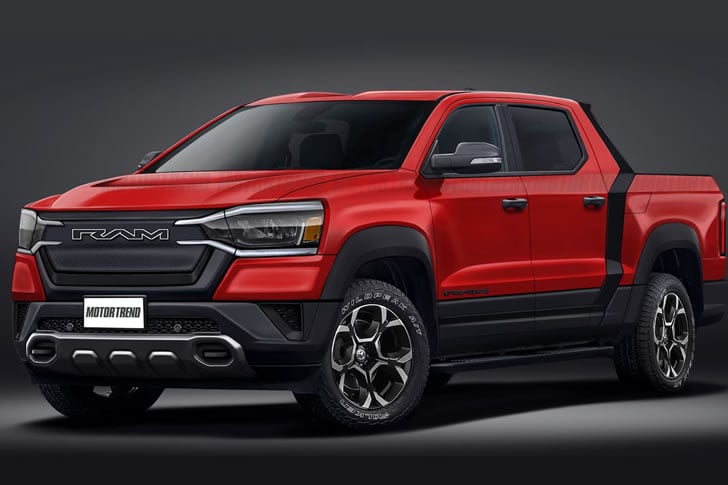
Car Tera Buying Guide for Used Deal Finds
Car Tera is a practical keyword for shoppers comparing car listings and dealer inventory when looking for reliable vehicles. This guide explains what “Car Tera” typically represents in the used-car search journey, how to evaluate listings objectively, and how to locate genuine car promotions on major official trading platforms. It also covers buying steps, eligibility checks, and due-diligence tasks before you commit.

Quick Start: How to Use “Car Tera” to Find Car Deals Safely
If you’re using Car Tera as a search cue, your top next move is to translate it into a repeatable process. Instead of treating “Car Tera” like a magic phrase that guarantees discounts, treat it like a workflow: (1) identify the exact make/model and trim you want, (2) compare the same vehicle across multiple official car trading platforms, (3) verify listing details (VIN/vehicle history, condition notes, mileage, title status, and whether key equipment is included), and (4) confirm price realism using comparable listings before scheduling an inspection. This approach keeps you grounded in evidence rather than marketing tone and reduces the risk that a “cheap” listing becomes an expensive problem.
In other words, the most important part of using Car Tera isn’t the search phrase itself. It’s the discipline it represents: compare like-for-like vehicles, validate documentation, and confirm that “deal” means better value—lower total cost and lower uncertainty—rather than simply the lowest number on the tag.
What “Car Tera” Usually Means in Car Deal Research
Car Tera is commonly used by shoppers as a shorthand for a “deal-finding” workflow—where the emphasis is on browsing available inventory, promotional offers, and listing metadata that affect total value. In practice, people search for terms like Car Tera alongside stock availability, financing options, and regional inventory movement.
Used-car inventory can change daily, but the effective strategy stays the same: check multiple platforms and compare the same vehicle details side-by-side. If a seller’s listing appears to be the best deal in your area, you need to confirm why it’s priced that way—sometimes it’s genuinely a smart discount, but other times it’s because of condition, paperwork complexity, missing options, or previously undisclosed issues.
Another way people use Car Tera is as a mental checklist: “Tera” as in “try/track/verify/review.” When you approach car shopping that way, you actively look for the proof behind the offer.
Market Context: Why Listing Comparisons Matter
Used-vehicle pricing can shift due to mileage bands, condition grading, market demand, and local inventory flow. Even when two listings appear similar, small differences can materially change the “true” purchase cost. Those differences include accident history disclosures, title branding, service record completeness, tire/battery condition, brake wear, corrosion or underbody cleanliness, missing equipment, and the presence or absence of warranties.
Therefore, a disciplined comparison process is especially important when searching for “car on sale” vehicles using terms like Car Tera. If you skip comparisons, you may accidentally compare a vehicle with fresh tires and a clean history to another vehicle that needs immediate repairs or has a title status that limits your future financing or resale.
Also consider that “sale price” can be temporarily influenced by marketing incentives. Sometimes dealers advertise a low price that assumes financing, a trade-in, or a rebate qualification. If you don’t verify the total price after all conditions, you might believe you found a deal when the final numbers are less attractive.
For safer decision-making, always compare the entire offer structure:
- The listed price and any required incentives
- Fees and taxes (or at least how they’re estimated)
- Warranty/return terms
- Included service items (new tires, battery testing, reconditioning)
- Financing conditions (APR, term length, whether there’s a “payment discount”)
Official Car Trading Websites to Check (Inventory and Promotions)
To evaluate vehicles responsibly, start with established marketplaces and official dealer-inventory platforms. The table below summarizes key sites referenced for car listings and inventory browsing. The practical value of using these platforms is that they usually provide a consistent structure for search filters, vehicle specs, and listing details—enabling you to compare like-for-like candidates.
| Platform | What You Use It For |
|---|---|
| cars.com | Vehicle browsing across dealer listings; filtering by make/model, price range, and key attributes. |
| carmax.com | Used vehicle listings with inventory-focused search and dealer-verified presentation standards. |
| caronsale.com | General car-on-sale style browsing; useful for scanning available vehicles and promotions. |
| autotrader.com | Comprehensive listings across markets; helpful for cross-checking price and specs. |
Source of information: www.cars.com , www.carmax.com , www.caronsale.com , www.autotrader.com
When you work through these platforms as part of the Car Tera workflow, you’re not just trying to find “a car.” You’re building a structured evidence file: the same model/trim across multiple sources, verified details, and a short list you can confidently inspect and negotiate.
How to Find a Cheap Car Using a “Car Tera” Approach
When shoppers say they want a “cheap car” or a “car on sale,” the real goal is usually lower total cost. Total cost includes the purchase price plus likely near-term costs (repairs, tires, brakes, insurance changes, registration timing, and maintenance catch-up). An expert approach balances price with risk. A bargain is not simply a low sticker—it’s a combination of:
- Affordability: the monthly and out-of-pocket costs fit your budget
- Reliability potential: condition and history suggest fewer surprises
- Transparency: the listing provides enough detail to reduce uncertainty
- Liquidity: the car is easier to resell if you need to later
Below is a step-by-step method that captures the “cheap but safe” philosophy.
Step-by-Step Guide: Discovering Good Value (Not Just Low Price)
-
Set the constraint first: Choose a maximum budget that includes taxes/fees/financing estimates. Then narrow down to 2–3 target models rather than browsing everything.
Budget clarity prevents a common trap: you see a monthly payment you can afford, but you haven’t considered taxes, dealer fees, required add-ons, insurance jump, or the total loan amount. Start with an “all-in maximum” before you start collecting listings.
-
Use consistent filters: On each official platform, use comparable filters (model year range, mileage range, drivetrain, trim, and body style). If one site lists “similar” vehicles with different trims, the comparison becomes misleading.
Example: if you want a “base” trim with cloth seats, do not compare it to a listing that’s the same model year but in a higher trim with different safety equipment and options. The difference isn’t cosmetic—it can affect insurance, resale value, and potential maintenance cost.
-
Shortlist by price realism: Look for vehicles priced at or slightly below the typical range for the same spec. If a listing is dramatically cheaper, treat it as a risk signal to investigate rather than a win to celebrate.
Many “too cheap” listings are explainable: fresh inventory clearance, high mileage, missing features, cosmetic flaws, or timing. But if the listing appears underpriced without adequate explanation, you should assume there may be an issue with condition, title status, or documentation.
-
Verify listing details: Confirm service record availability, condition notes, and whether the seller provides vehicle history documentation. For many shoppers, the VIN-linked detail level is the difference between confidence and regret.
Vehicle history and service documentation don’t guarantee the car is perfect, but they reduce uncertainty. If the listing lacks basic details, you either need to request them or treat the vehicle as high risk.
-
Cross-check the same vehicle: If the same inventory appears across platforms (or can be identified), compare the listed features and any price/condition differences. This helps you detect incomplete or outdated data.
Sometimes a listing gets updated on one site but not another. Cross-checking helps you confirm the “current truth” instead of an old snapshot.
-
Ask targeted questions before a test drive: Confirm tire tread condition, brake feel issues, recent maintenance (oil changes, battery health, transmission service where applicable), and whether any warning lights have appeared.
Targeted questions prevent you from wasting time. If you ask the right questions early, you avoid test-driving a vehicle that will likely be a poor match due to immediate mechanical needs.
-
Schedule an inspection: Even if the listing looks solid, an independent inspection (or a trusted technician review) reduces the chance of hidden defects.
In many cases, the cost of an inspection is small compared to a potential repair such as suspension work, electrical issues, cooling system problems, or drivetrain concerns.
-
Negotiate using documented differences: If you find mismatched options, unclear accident history, or overdue maintenance, anchor negotiations to verifiable items.
Deal negotiation is most effective when you have specifics. Instead of saying “I think it’s overpriced,” you say “the tires are below spec and the service record is missing the 60k-mile service,” then ask for a price adjustment or reconditioning.
-
Finalize only after paperwork review: Confirm title status, odometer disclosure, warranty terms (if any), and return/refund conditions where offered by the platform or seller.
A safe purchase requires reading the offer terms. “As-is” and “limited warranty” are not the same thing. Return windows, if offered, can significantly reduce risk for a used purchase.
Conditions and Requirements for a Safer “On Sale” Purchase
Because “car on sale” offers can vary widely by seller and region, you should confirm eligibility and terms before committing. The comparison below outlines practical requirements you should check during your Car Tera workflow.
| Area to Confirm | What “Good” Looks Like | Why It Matters |
|---|---|---|
| Vehicle history documentation | Clear disclosure and accessible records (where provided by the platform) | Reduces unknown accident/structural risk |
| Title and odometer status | No unresolved title branding or odometer inconsistencies | Affects resale value and legal transfer |
| Warranty or guarantee (if applicable) | Stated terms, duration, and coverage details | Clarifies what you can claim if issues arise |
| Financing pre-approval (if needed) | Transparent loan terms and total repayment visibility | Prevents “monthly payment” traps |
| Inspection and return window (if offered) | Time-bound option to inspect or return per stated policies | Offers a structured risk-reduction mechanism |
To make these checks more actionable, here are examples of what to look for in real listings and conversations.
- History documentation: Does the listing provide a VIN or link to reports? Does it clearly disclose accidents, salvage branding, or flood damage? If the listing says “clean title” but lacks detail, request clarification.
- Title status: Ask whether the title is branded (e.g., salvage, rebuilt, lemon law buyback in some cases). Branded titles can limit future financing and may reduce resale value.
- Warranty: Confirm whether the warranty covers drivetrain, electronics, and major components. Ask what is excluded (wear items, cosmetic issues, routine maintenance).
- Financing: If the seller advertises a “payment,” ask for the APR, term length, down payment requirements, and total cost. Don’t decide based only on monthly numbers.
- Return window: If offered, confirm the exact timeline and conditions. For example, some policies require that the vehicle be returned in the same condition and with mileage limits.
Expert Insights: How to Judge Value Like a Dealer Would
From an industry-expert perspective, “value” is not identical to “lowest price.” Dealers and appraisal workflows consider depreciation, condition grade, reconditioning costs, and service predictability. When using a Car Tera style search, you’ll get better outcomes by evaluating:
- Condition consistency: Interior wear, exterior repaint indicators, and underbody cleanliness can correlate with maintenance diligence. A well-kept car often shows consistent signs across inspection points.
- Mechanical predictability: Vehicles with documented maintenance cycles tend to produce fewer “surprise costs” in the first months of ownership. Predictability matters because unexpected repairs disrupt budgets.
- Option matching: A “cheap” vehicle missing key features can become expensive if you later retrofit or if you plan to resell. For example, missing safety package features can also reduce buyer appeal.
- Market fit: A great deal in one mileage/trim band may not be a deal in another. Compare within the same spec range and understand what the market expects for that configuration.
Dealers also think in terms of risk and reconditioning. If a vehicle requires tires, brakes, alignment, detailing, or minor repairs before it can be sold, the dealer is effectively paying those costs. Some dealers adjust their pricing accordingly; others may cover costs by pricing the car higher while making it look like a “sale.” Your job in the Car Tera process is to reverse-engineer the true cost and identify whether you’re getting the benefit.
Here are additional dealer-style value checks you can do using listing information and smart questions.
- Red flags for risk: Missing service history, repeated “relist” behavior, vague condition descriptions (“good condition” without specifics), or inconsistent photo angles that hide damage areas.
- Signals of reconditioning: Photos of clean engine bays, mention of recent battery replacement, and explicit notes about tire tread or brake condition.
- Signals of completeness: Includes all key fobs, manuals, maintenance receipts, and no missing equipment.
- Signals of usability: Cold start indicator (not always visible online), recent inspection readiness, and absence of warning lights during demonstration.
When you evaluate all these factors, you shift from “Can I buy this cheaper?” to “Is this a better total deal?” That’s what safe bargain hunting looks like.
Using the Referenced Platforms Efficiently
Rather than treating each official site as a destination, treat them as verification layers in your Car Tera process. One site might help you discover inventory, while another might help you confirm specs or pricing consistency across dealers.
A practical habit: keep a comparison sheet (even if it’s just notes in your phone). For each shortlisted vehicle, record:
- Listing URL and current price
- Mileage and model year
- Trim and key options (tech package, AWD/FWD, leather vs cloth, sunroof, safety features)
- Title status and any mention of prior damage
- Warranty/return terms
- Seller type (dealer vs private)
- Your question list (tires, brakes, maintenance, battery health)
This makes the comparison process faster and reduces the mental load of juggling multiple pages.
1) cars.com: Broad discovery, structured filters
For many shoppers, cars.com functions as a high-volume starting point: you can filter by price, mileage, and essential attributes, then cross-check the candidate vehicles on another official platform. This reduces the chance that you only see one seller’s framing.
To use cars.com efficiently in a Car Tera workflow, do the following:
- Start broad, then narrow: Search within your target model years and mileage ranges first, then refine by trim and drivetrain.
- Use price band awareness: If you see a vehicle far below typical pricing, mark it for investigation and do not assume it’s automatically a win.
- Capture listing details: Copy VIN if available and record the condition/warranty info so you can compare with other platforms later.
If you find a match you like, don’t stop there. Use the listing as an “evidence item” and verify it on other sites.
2) carmax.com: Inventory-focused shopping with dealer process
carmax.com is often used by buyers who prefer an inventory browsing experience with strong presentation standards. The key benefit is efficiency: you can scan options, narrow down, and then verify terms and coverage structures relevant to the specific vehicle.
When using carmax.com for safe deal hunting, focus on:
- Consistency of listing information: If a site presents details clearly and consistently, it’s easier to compare with less transparent listings.
- Warranty and return details: Dealer processes often include structured coverage terms. Read them carefully so you know what protections you truly have.
- Trade-in and financing assumptions: Some promotions require conditions. Confirm the actual purchase price and total cost independent of marketing incentives.
Think of this site as a “verification stronghold.” If the vehicle details are strong here and align with other platforms, your confidence increases.
3) caronsale.com: Deal scanning to widen the net
caronsale.com is useful when you want to broaden your search for “cars on sale” style inventory and promotions. The expert habit here is to treat it as discovery, then validate the listing details, documentation, and seller policies before you finalize.
Broader discovery is valuable because it can reveal deals you might miss when using only one marketplace. But wider discovery also increases the chance of encountering inconsistencies. Therefore:
- Validate documentation: If the listing lacks VIN-linked history or does not clarify title status, be cautious.
- Confirm seller type: Are you dealing with a franchise dealer, independent dealer, or aggregator? Seller incentives vary.
- Cross-check price: Check the same spec on cars.com or autotrader.com. If the price is out of line, ask why.
In a Car Tera approach, discovery is only the first step—verification comes next.
4) autotrader.com: Cross-market comparison
autotrader.com can help confirm whether your shortlist pricing is consistent across marketplaces. If a vehicle is unusually cheap relative to similar listings, use that discrepancy to ask questions rather than move forward blindly.
Autotrader is especially helpful for:
- Cross-market validation: seeing how widely the same model/trim is priced
- Spec comparison: confirming drivetrain, options, and condition language
- Timing awareness: checking whether the listing appears repeatedly at similar prices (which can indicate stable inventory vs a sudden clearance)
In practice, you might find a vehicle on cars.com, confirm the same spec on autotrader.com, and then verify the final purchase terms on carmax.com (if the dealer inventory aligns) or directly with the seller. This multi-layer approach is a cornerstone of safe deal hunting.
FAQs
What does “Car Tera” mean when shopping for vehicles?
“Car Tera” is typically used as a search cue that points you toward deal-focused browsing and comparison behavior. In practice, it refers to using listing platforms and filters to find vehicles that match your budget and risk tolerance, then verifying details before purchase.
If you want to apply it consistently, treat “Car Tera” as: Track (save listings) + Evaluate (compare specs) + Review (verify documents) + Act safely (inspection and paperwork).
How can I tell whether a car on sale is truly a bargain?
Compare the vehicle’s trim, mileage band, condition notes, and disclosed history across multiple official platforms. Then validate with an inspection and careful paperwork review. A “too good” price should trigger deeper due diligence.
Also check whether the “sale” depends on incentives (financing, trade-in, or rebate). If those conditions don’t apply to you, the true deal may be less impressive.
Should I negotiate differently for a used car than a new one?
Yes. Used-car negotiation should be evidence-based: maintenance gaps, tire/brake condition, missing documentation, unclear history, and reconditioning needs provide stronger grounds than general bargaining.
For example, if listing photos show worn tires and the service record doesn’t show replacement, you can negotiate a price adjustment or ask the dealer to replace tires. Evidence beats emotion.
What documents or checks should I request before buying?
Request clear vehicle history documentation (where provided), confirm title and odometer status, review warranty/return terms if offered, and consider an independent inspection. Also verify that the listing’s features match the vehicle you will test drive.
Common “must ask” items include: number of keys, whether any accessories are included, whether there are outstanding recalls addressed or not, and whether warning lights have appeared since the vehicle was listed.
Is it safe to buy from online car listings?
It can be safe when you use reputable platforms, confirm listing details, evaluate total ownership costs, and complete structured verification steps such as inspection and paperwork review.
Safety improves dramatically when you don’t rely solely on images or seller descriptions. Use the listings to collect facts, then verify those facts in person or via an inspection.
What’s the top way to find a cheap car without increasing risk?
Use tight filters, compare like-for-like specs across official platforms, and focus on total value—especially maintenance predictability and disclosed condition. Don’t treat low price as the only metric.
One practical guideline: if you find the cheapest listing, spend the most time investigating that listing. The cheapest car is not always the best deal—it depends on what you discover after verifying the details.
Disclaimer
1) The above information comes from online resources, and the data is as of October 2023.
2) For more information, please refer to the official website.
Reference Links (as mentioned in the article)
-
1

Maximizing Your Purchase: Ram 1500 Deals and Towing Capacity
-
2
Maximizing Benefits of Solar Panels: Costs and Energy Efficiency
-
3
Affordable Stair Lifts for Seniors: A Comprehensive Guide
-
4
The Ultimate Guide to Lab-Grown Diamonds: Ethical & Cost-Effective Choices
-
5
The Ultimate Guide to Weight Loss Injections, Metabolism, and Appetite Suppression